

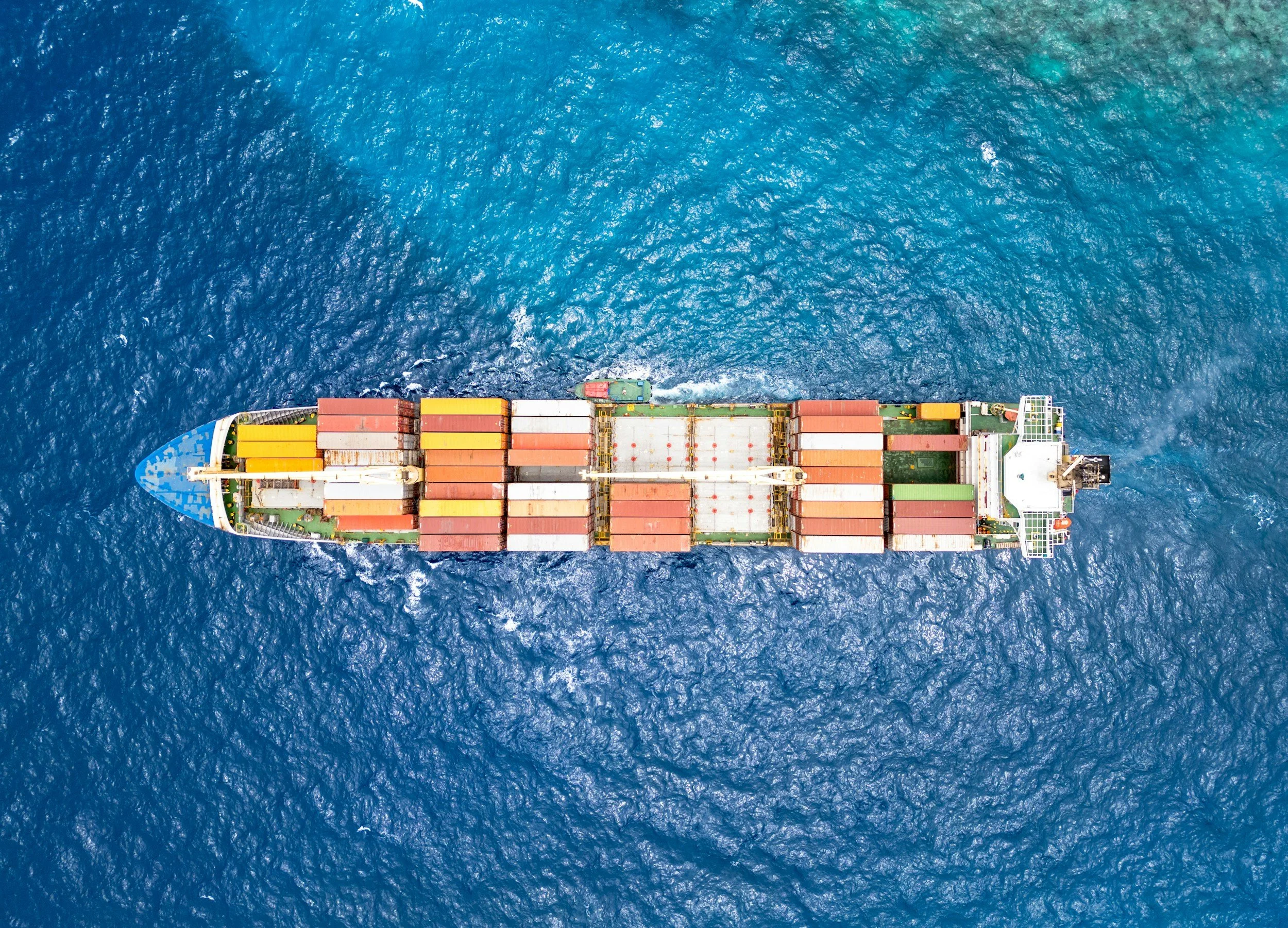
Ocean Freight Solutions
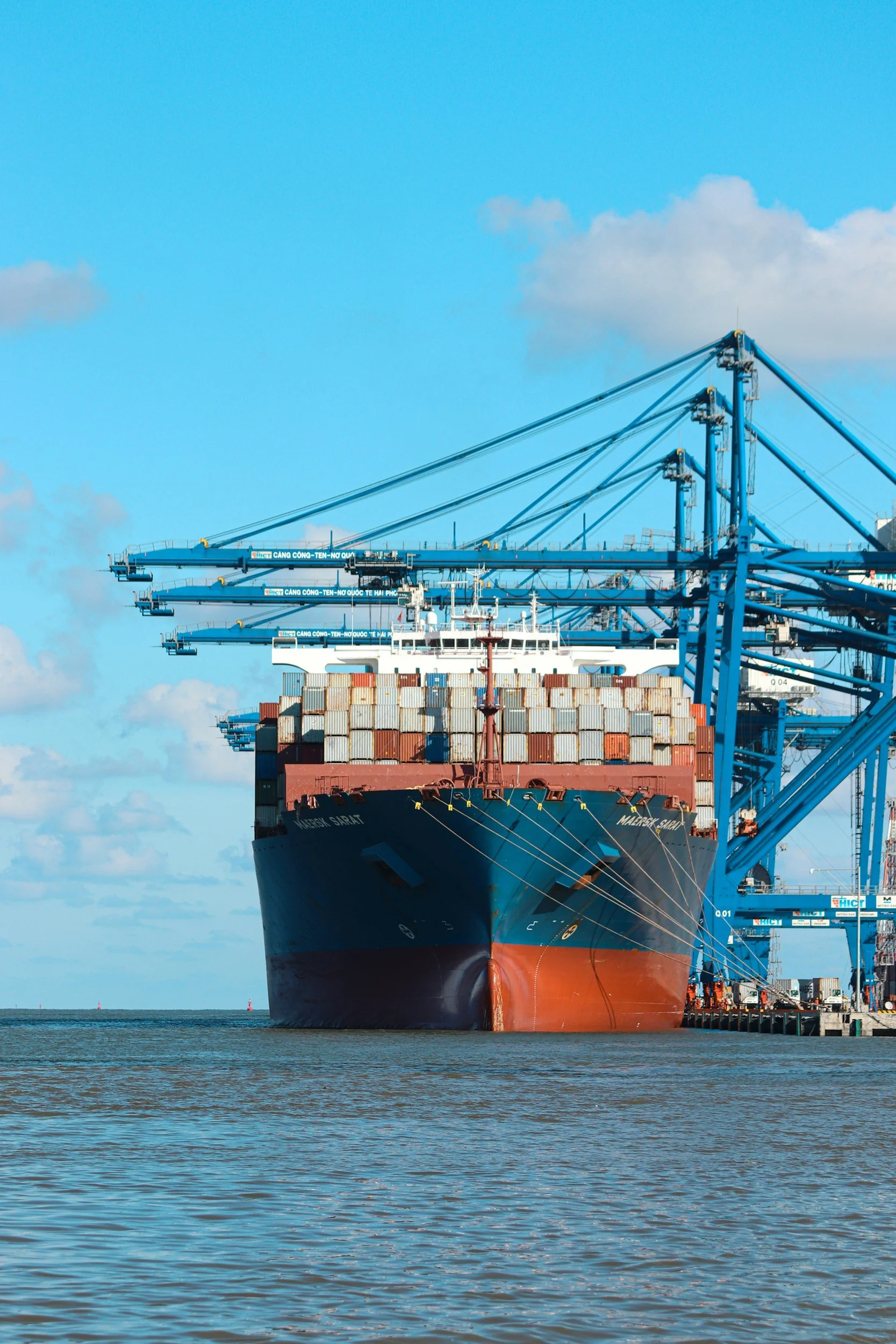
Forsla provides ocean freight shipping solutions by securing full container load (FCL) and less-than-container load (LCL) capacity across a global network of trusted carriers. We focus on comprehensively supporting shipper needs, such as access to space, control over shipments, and clarity across the supply chain.
From origin port to final destination, Forsla coordinates bookings, documentation, and carrier follow-ups so your cargo moves with fewer surprises and less risk.
Reliable Ocean Capacity, Without the Chaos
The Reality of Ocean Freight Today
Ocean freight has become harder to manage — even for experienced shippers. Capacity tightens without warning, containers are rolled to later sailings, ports clog up, costs move faster than contracts can keep up, and once shipments are on the ocean, visibility drops.
For many shippers, the biggest challenges include:
Inconsistent access to FCL and LCL space
Difficulty balancing costs, transit time, and risk
Limited flexibility when volumes swing unexpectedly
Delays caused by carrier rollovers and container shortages
Poor coordination across ports, terminals, and inland handoffs
In a global supply chain, these issues compound quickly — especially when ocean freight supports manufacturing, retail, or downstream distribution.
Ocean Freight Services From Forsla
Forsla supports a wide range of ocean freight shipping needs, tailored to shipment size, urgency, and budget.
Full Container Load (FCL): Best suited for high-volume shipments or cargo with specific requirements around handling, security, or timing. Forsla secures space and manages container allocation end-to-end.
Less-than-Container Load (LCL): Ideal for smaller shipments that don’t justify a full container. Forsla coordinates consolidation, carrier handoffs, and deconsolidation to control cost and reduce risk.
Flexible Routing & Mode Integration: When the ocean alone can’t meet timelines, Forsla helps shippers evaluate alternatives including selective use of air freight for critical lanes.
Every move is planned with transit time, reliability, and cost in mind.
Forsla Helps With Visibility, Documentation & Customs Clearance
Ocean freight is paperwork-heavy and time-sensitive, which is why small errors often lead to significant delays. To avoid that, Forsla manages:
Carrier updates and exception follow-ups
Documentation preparation and verification
Customs clearance coordination at the destination
Handoffs to inland transport once the cargo clears the port
Shipment tracking across port departures, transits, and arrivals
Instead of chasing updates, shippers receive structured communication and clear ownership from booking through delivery.
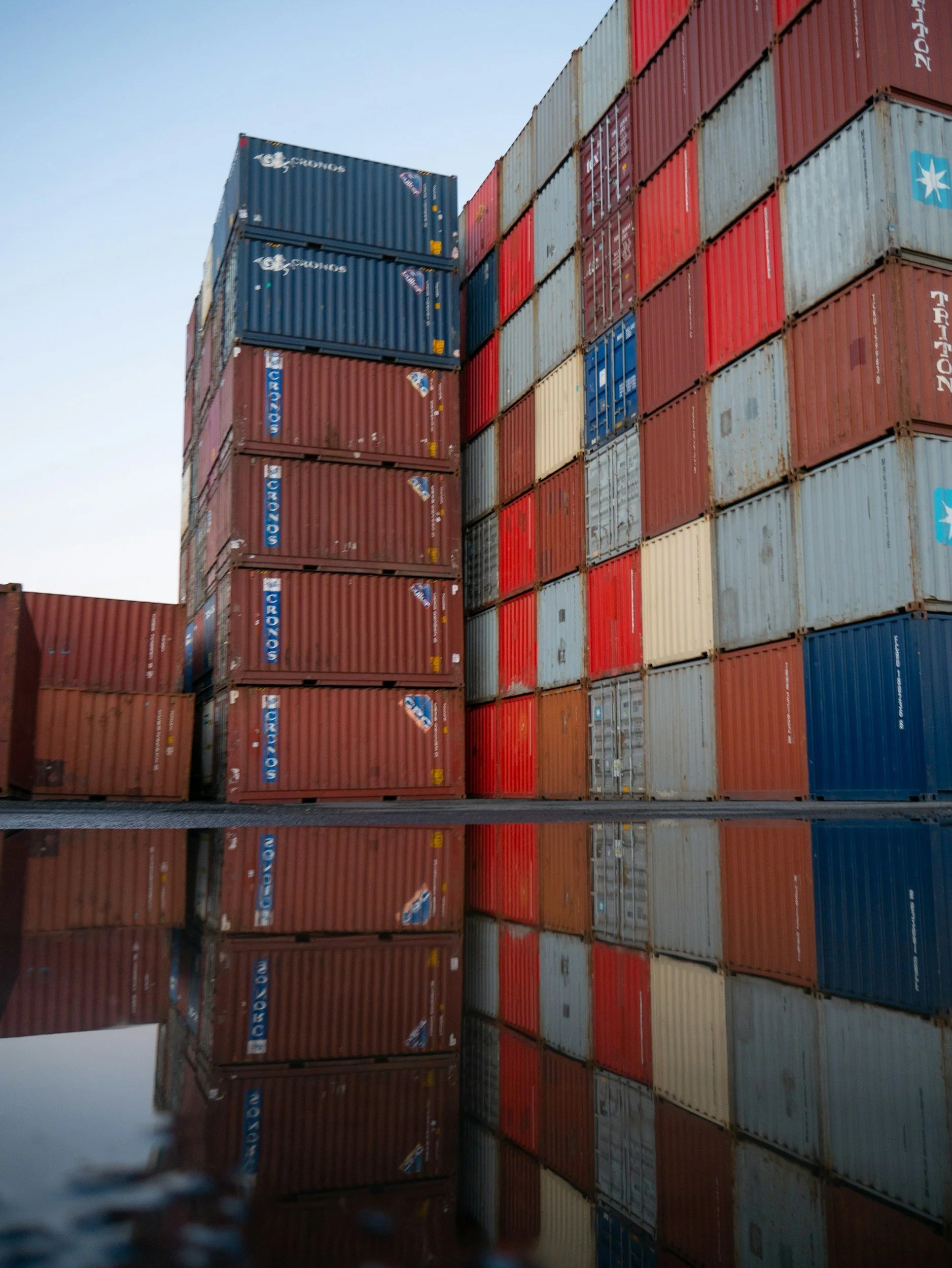
Ocean freight works best when someone actively manages the risk not just places bookings. Forsla brings structure and control to ocean freight shipping by securing container space across multiple carriers and managing each shipment as part of a broader supply chain, not a one-off transaction.
Benefits of Partnering with Forsla for Ocean Freight
Ocean freight works best when someone actively manages the risk — not just places bookings. Forsla brings structure and control to ocean freight shipping by securing container space across multiple carriers and managing each shipment as part of a broader supply chain, not a one-off transaction.
When you partner with Forsla, you gain:
Reliable access to container space across carriers
Instead of depending on a single carrier’s availability, Forsla works across a network of ocean partners to secure FCL and LCL capacity. This improves access during tight markets and reduces the risk of rollovers when space is constrained.
Smarter planning across FCL and LCL as volumes change
Volume rarely stays static. Forsla helps shippers shift between full container load and LCL based on shipment size, urgency, and costs, ensuring you don’t overpay for unused container space or delay cargo waiting to consolidate.
Clear timelines and coordinated execution
Ocean transportation often breaks down at handoffs. Forsla coordinates carriers, ports, and inland movements so shipment timelines are realistic, communicated clearly, and actively managed through transit to the destination.
Reduced risk in volatile ocean markets
By actively following up on bookings and carrier allocations, Forsla reduces exposure to rollovers, missed sailings, and unexpected delays — risks that directly impact inventory availability and customer commitments.
One partner managing freight across ocean and adjacent modes
When ocean freight alone can’t meet requirements, Forsla helps shippers evaluate alternatives — including selective use of air freight — without fragmenting responsibility across multiple providers.
Industries That Rely on Forsla’s Ocean Network
Forsla supports ocean freight shipping across a wide range of industries around the world, including:
Manufacturing and industrial supply chains
Retail and eCommerce imports
Industrial equipment and components
Food and beverage
Consumer goods
Whether shipping finished goods or production inputs, Forsla helps businesses move freight with fewer disruptions — today and into the future.
Secure Ocean Freight with Confidence
Forsla gives shippers access to FCL and LCL ocean freight capacity — with the visibility, coordination, and control that asset-based models can’t offer.
Frequently Asked Questions
-
FCL is used when one shipper fills an entire container. LCL is used when multiple shipments share container space, helping reduce cost for smaller volumes.
-
No. Forsla does not operate vessels or own containers. We secure capacity through partner carriers and manage shipments on behalf of shippers.
-
Ocean freight is best for planned shipments where cost control matters more than speed. Air freight is faster but significantly more expensive.
-
Yes. Forsla coordinates customs clearance to reduce delays and ensure freight moves smoothly from port to inland delivery.
-
By securing capacity early, monitoring shipments closely, and actively coordinating with carriers, Forsla helps reduce rollovers, delays, and uncertainty.