


Seamless General Manufacturing Logistics With Forsla
Logistics Built for Manufacturers at Every Level
Forsla delivers general manufacturing logistics that connect raw materials, production, and delivery with precision. We help manufacturing companies manage complex supply chain operations to improve efficiency, control costs, and meet customer expectations — without disruption.
The Manufacturing Logistics Challenge
In the manufacturing industry, your supply chain is only as strong as its weakest link. Coordinating multiple suppliers, production schedules, and finished goods distribution means facing challenges like:
Rising transportation costs
Excess inventory tying up capital
Delays that disrupt production processes and delivery
Potential disruptions from natural disasters, global trade issues, or supply chain bottlenecks
Without effective supply chain management, these risks can have a significant impact on product quality, customer satisfaction, and overall cost. Forsla ensures your manufacturing logistics run smoothly from start to finish.
Forsla’s End-to-End Manufacturing Logistics Service
We manage the entire supply chain, so your team can focus on production and growth:
Inbound Logistics: Sourcing and delivering the raw materials needed to your manufacturing facility on time
In-Plant Logistics: Keeping production lines stocked and synchronized with production planning
Outbound Logistics: Warehousing, distribution center operations, and final delivery of the finished product to your customers
With Forsla, you gain real-time visibility, optimized warehouse operations, and reliable last mile delivery — every time.
How Forsla Optimizes Manufacturing Operations
Forsla combines technology and expertise to deliver operational excellence:
Data analytics for real-time decision-making and predictive maintenance
Monitoring inventory levels to avoid stockouts and minimize delays
Transportation route optimization to reduce costs and carbon footprint
Digital transformation tools that give manufacturers a competitive advantage
Our approach turns logistics into a driver of production efficiency and customer satisfaction.

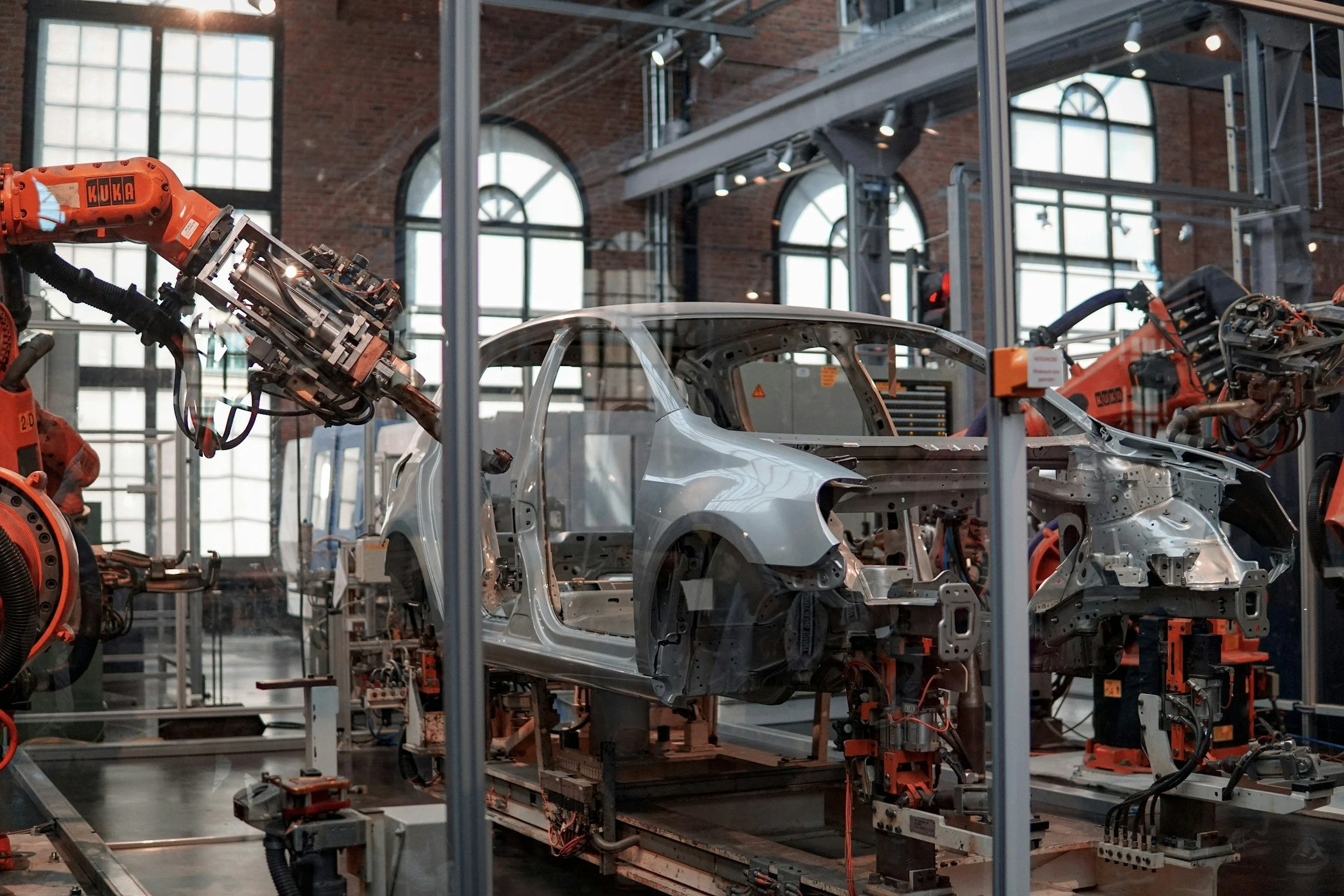
Industries We Support
Forsla supports a wide range of manufacturers and sectors:
Automotive manufacturing
Consumer goods production
Electronics and appliances
Food and beverage manufacturing
Heavy machinery and equipment
Whether local or part of global supply chains, we ensure your operations remain smooth, reliable, and cost-effective.
Cost Control Without Compromising Service
We help manufacturers lower costs without cutting corners:
Eliminating bottlenecks in logistics processes
Reducing excess inventory and related storage costs
Improving coordination between suppliers, production, and distribution
Reducing fuel costs through efficient transport planning
The result: a flexible supply chain capable of meeting market changes while maintaining product quality.
Forsla’s Competitive Edge in Manufacturing Logistics
Manufacturing logistics expertise tailored to your industry
Seamless integration with your ERP and supply chain management systems
Dedicated account managers for manufacturing clients
Proven track record among top logistics companies and providers
Forsla delivers the competitive edge you need in today’s fast-moving manufacturing sector.
Keep Your Production Moving
From raw materials to final product delivery, Forsla ensures your manufacturing logistics run with precision, efficiency, and reliability.
Frequently Asked Questions
-
The manufacturing supply chain begins with sourcing raw materials and components, followed by production processes, warehousing, and final delivery to customers.
-
By ensuring timely delivery, optimizing production planning, and maintaining product quality, we help manufacturers meet customer demands while keeping costs under control.
-
Common challenges include managing multiple suppliers, fluctuating customer demand, rising costs, and potential disruptions from global trade or natural disasters. Forsla uses contingency plans and real-time visibility to minimize these risks.
-
We use optimized shipping routes, efficient inventory management, and digital technologies to lower costs while improving operational efficiency.
-
A flexible supply chain allows manufacturers to adapt quickly to market shifts, demand changes, and supply disruptions — maintaining customer satisfaction and a competitive advantage.