


Transloading & Cross-Docking Services
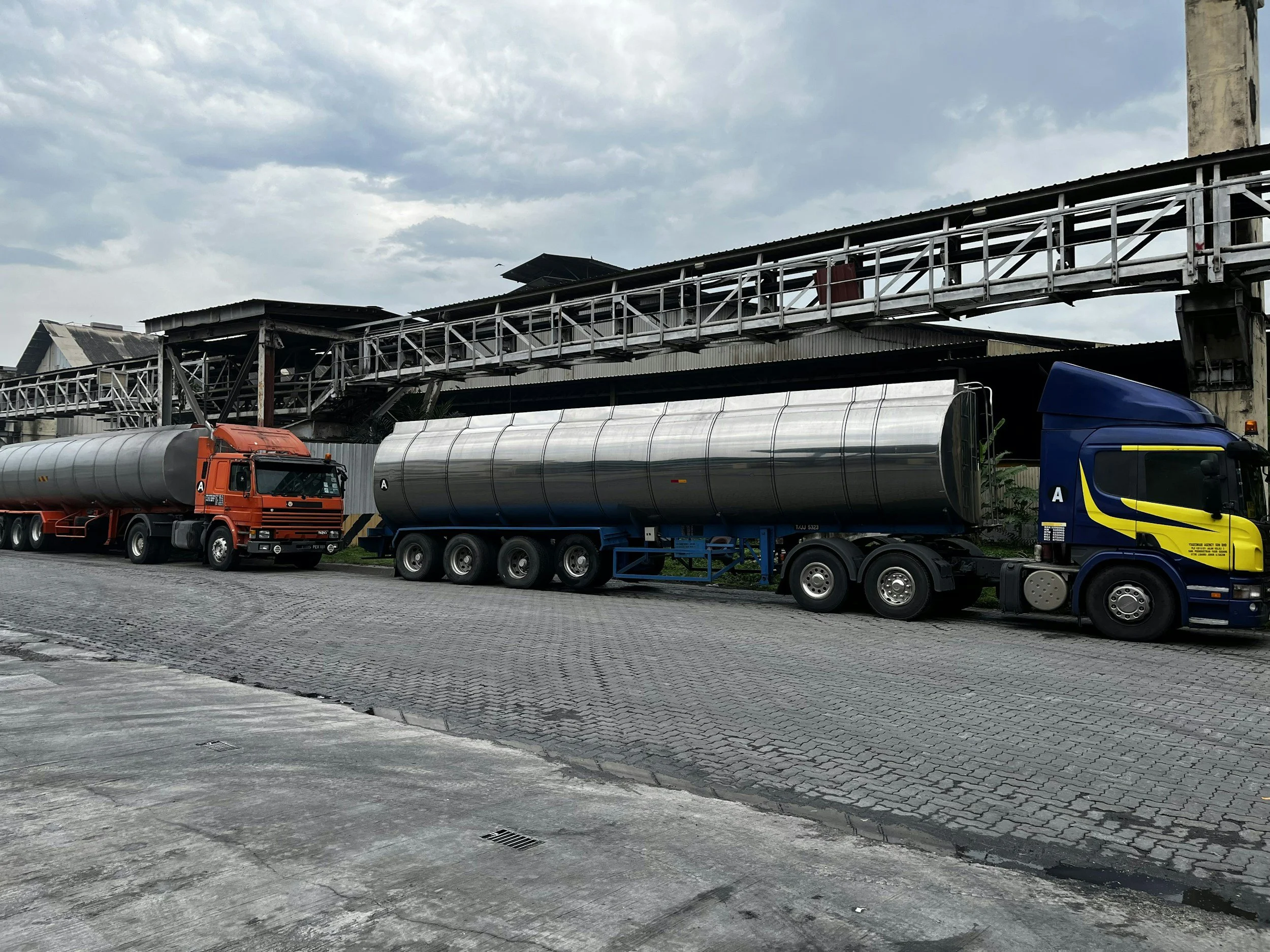
Forsla offers expert transloading and cross-docking services designed to expedite your freight flow and minimize storage costs. Whether you’re shifting containers between modes, consolidating LTL shipments, or reloading freight near major ports, we handle your cargo with precision and speed.
Forsla’s network of storage facilities and transloading facilities is strategically located near major transportation routes, such as interstates and ports, supporting efficient transportation and enabling faster delivery times. We have extensive experience handling container ships and bulk goods, allowing us to transfer large volumes of cargo between transportation modes with ease.
Speed Meets Flexibility in Freight Movement
Transloading is the process of transferring freight from one mode of transport to another. Forsla's transloading services streamline the logistics process by coordinating the direct transfer of goods between transportation modes, reducing handling and storage time. At Forsla, we specialize in:
Drayage to truckload transfer for importers and retailers
Intermodal to truckload freight transfer for national distribution
Time-sensitive transload logistics with dock scheduling and fast turnarounds
Consolidating multiple shipments from various suppliers to optimize shipping goods and reduce transportation costs
We manage freight coming off rail or ocean containers and redirect it into domestic trucking with negligible downtime. Forsla also manages direct shipment and final delivery by selecting the most efficient transportation mode for each leg of the journey, helping reduce costs.
Streamline Your Transloading With Forsla
Optimized Cross-Dock Facilities for Flow
Forsla operates transload warehouses near ports and inland terminals to ensure fast, scalable freight transitions. In our cross-docking process, products are quickly transferred from inbound shipments to outbound vehicles, minimizing storage time and accelerating product distribution. Forsla’s cross-docking facilities are strategically designed to optimize the need for warehouse space and storage, thereby reducing inventory holding and labor costs. This approach results in lower operational costs and increased efficiency throughout the supply chain.
Our cross-dock warehouse services include:
Dock-level access for easy unload/load
Pallet re-stacking, sorting, and labeling
Live unload and transfer or pre-scheduled staging
Container devanning and sorting for floor-loaded cargo
Elimination of long-term storage through efficient cross-docking facility operations, resulting in better inventory management and lower operational costs
All facilities are staffed, monitored, and equipped for high-volume turnover.
Types of Cross-Docking Forsla Provides
Our cross-docking services are tailored to different business models:
Final-mile cross-docking for last-leg urban delivery
Distribution cross-docking for product sortation and routing
LTL consolidation cross-docking to merge smaller shipments into full truckloads
Expertise in less-than-truckload (LTL) consolidation, enabling efficient outbound shipments and outbound transportation
Inbound container transloading to break down ocean freight into regional deliveries
Post distribution cross-docking for managing returns and surplus inventory, enhancing inventory management, and minimizing storage costs
Retail cross-strategies to consolidate products from multiple suppliers for rapid distribution to retail stores
Forsla also manages continuous cross-docking processes for high-demand products, as well as the direct transfer of materials to production lines. Precise coordination is crucial in cross-docking operations to ensure the seamless flow of goods from incoming and outgoing vehicles.
Forsla’s team handles the planning and labor needed for efficient, same-day reloading.
Cross-Docking Solutions That Scale
Forsla’s freight cross-docking solutions help you move inventory faster, providing significant cost savings by reducing various costs associated with traditional warehousing, including storage and labor expenses. Our transloading facility serves as a key infrastructure for optimizing distribution processes and improving supply chain efficiency. Additionally, our cross-docking operations ensure that goods reach their final destinations quickly, enhancing overall efficiency.
Our team manages:
Freight unloading and reloading with accuracy and speed
Freight rehandling services to fix, split, or reorganize loads
Mode conversion freight when shifting between air, ocean, rail, and truck
Fast freight turnover solutions for retailers, manufacturers, and 3PLs
Timely delivery coordination by managing all steps in a timely manner to ensure goods arrive as scheduled
When choosing cross-docking and transloading solutions, key considerations include facility location, technology integration, and service flexibility to support your logistics needs.

Enhancing Inventory Management with Cross-Docking
Forsla supports hybrid inventory models using:
Temporary dock storage for inbound freight, including short-term storage during the cross-docking process, minimizing inventory holding costs and reducing reliance on traditional warehouse storage
Load consolidation before long-haul routing, reducing storage costs and improving inventory management
Labeling, scan-in/out, and sequencing for outbound accuracy
We align operations with your TMS or WMS to ensure real-time visibility at the dock, enabling better inventory management for our clients.
Whether you need to break down inbound containers, build outbound LTL loads, or shift freight between modes, Forsla gives you the speed and control to transport goods efficiently. By supporting efficient supply chains through optimized transloading and delivery processes, Forsla ensures that shipments have a smooth journey to their final destination — crucial for optimizing delivery times and costs.
Your Freight, Repositioned Smarter with Forsla
Frequently Asked Questions
-
Transloading typically involves transferring freight between different transportation modes — such as from a container to a dry van — while intermodal shipping plays a crucial role in this process by allowing efficient mode transfers without additional handling. Cross-docking services focus on re-sorting and transferring freight directly from inbound to outbound trucks.
-
Yes. Our container stripping and stuffing services are available at Forsla’s transload facilities near major ports. These transloading facilities feature large, open spaces and staging areas, with operational features such as ample space, skilled labor, and advanced technology to ensure efficient transfer of goods between transportation modes. We break down inbound containers, sort floor-loaded cargo, and reload outbound trucks with precision.
-
Absolutely. Our transloading for e-commerce service helps online retailers break down large imports and route them by region, carrier, or delivery speed. We manage rehandling, label preparation, and scheduling to facilitate faster last-mile distribution without traditional warehousing delays.
-
Forsla’s cross-dock facility management system is built around speed and accuracy. Our dock layouts, scheduling software, and trained handlers allow us to move freight in and out within hours — not days. We also provide clear performance metrics, including dwell time, rehandling frequency, and scan compliance.
-
Forsla uses pre-clearance, driver scheduling, and rapid dock coordination to meet time-sensitive transload logistics needs. Whether your container is arriving on a tight deadline or being redirected for final-mile delivery, we manage the process down to the hour with visibility and urgency.