

You Don't Need a Warehouse — You Need Trucks: When Beverage Brands Should Choose a Broker Over a 3PL
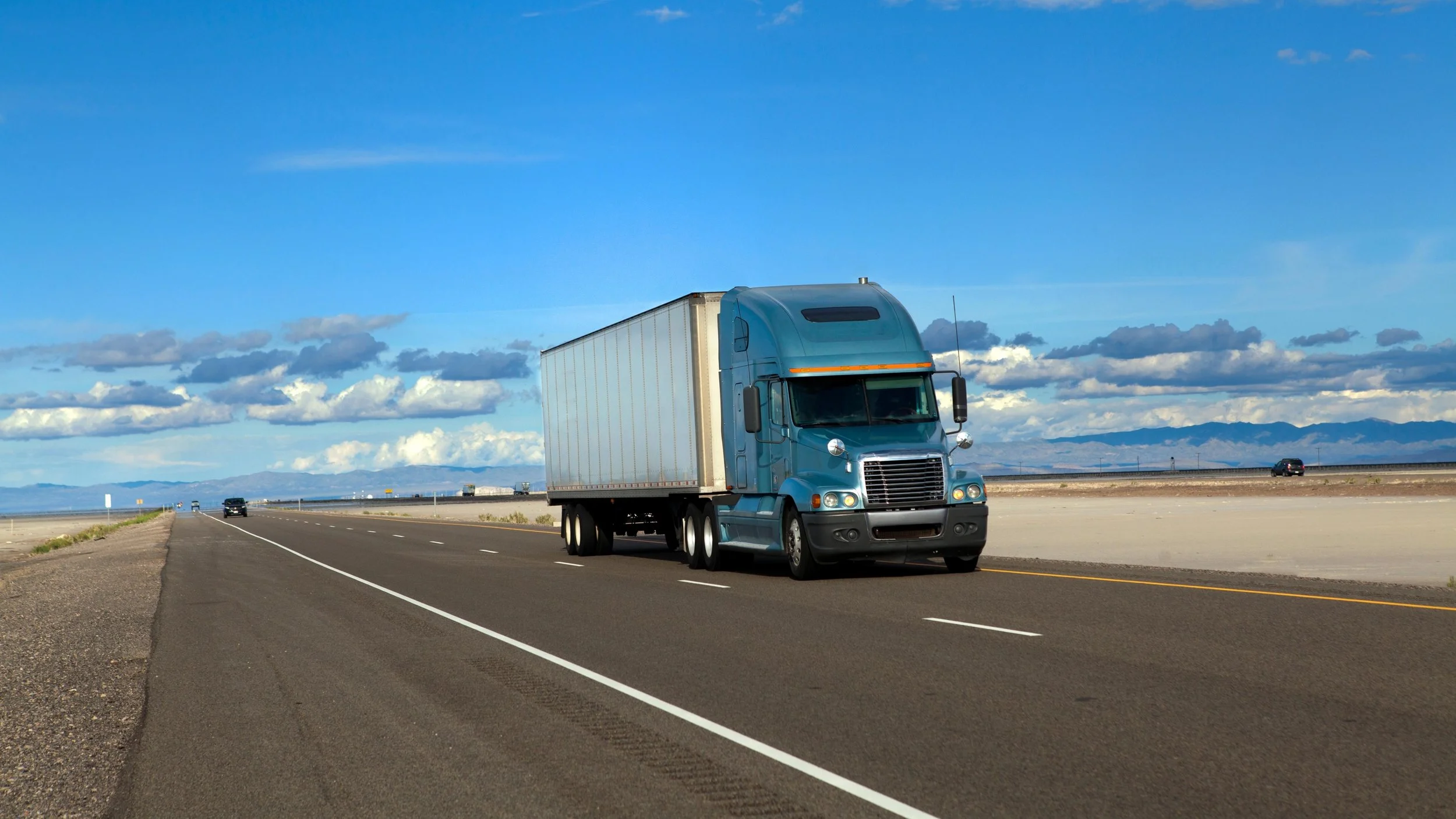
Article Brief
Third-party logistics providers integrate warehousing, fulfillment, and transportation services. For beverage brands that produce at their own plant or a co-packer and ship directly to retail DCs. Most of that bundle adds cost without adding value.
Freight brokers operate an asset-light logistics model, so beverage brands pay only for transportation, freeing up capital for production, marketing, and growth plans instead of being tied up in warehouse space they don't use.
Average pallet storage costs have increased significantly, and nearly half of warehouses now impose long-term storage surcharges. For beverage companies, which don't need warehouse space in the first place, these costs are real.
Choosing between a broker and a 3PL for a beverage brand comes down to how the supply chain really operates. If your freight is the entire logistics operation and warehousing is adding nothing, then a cost-effective broker is the smarter fit.
A growing kombucha brand in Portland is sold a 3PL that handles warehousing, fulfillment, inventory management, and distribution in one. Sounds appealing, but what if that brand already works with a co-packer, ships full truckloads directly to retail DCs, and has no excess inventory between production runs? In that case, they need 20 good reefer loads a week to grocery warehouses in six states, not a warehouse. They need trucks. And the difference between paying for a full 3PL operation and paying for a freight broker that does transportation well is the difference between spending money on services that fit and spending it on infrastructure someone else needs to fill.
What Third Party Logistics Providers Actually Sell and What Beverage Brands Need
A third-party logistics provider bundles warehousing, inventory management, order fulfillment, distribution, and transportation together. That model is great for some businesses. For example, if you’re a DTC brand that ships individual orders from a warehouse, or if you need to stage inventory across regional distribution centers before it ships to retail, a 3PL’s warehouse-first approach makes sense.
But that’s not how a lot of beverage brands operate. If a brewery cans on site and ships pallets to a distributor three states away, they don’t need someone managing inventory. A juice company using a co-packer that handles production and ships directly to grocery DCs doesn't need fulfillment services. If you have a bottled water brand that ships full truckloads from your own plant to Walmart DCs, you don’t need pick and pack.
All three of those brands desperately need the best carriers at the right rates to reliably cover their loads. A 3PL will provide that, but it’s tied to warehouse space and logistics services the brand isn’t using. And the brand pays for all of that, with little benefit when those bundled services aren’t needed.
Why Asset-Light Logistics Works For Beverage Brands That Ship Direct
Freight brokers operate in the asset-light business model. No stockroom, lorries, or physical assets that need to be kept full to justify the overhead. And that is a positive. A freight broker's sole purpose is to connect shippers with carriers. No need to fill a warehouse, no reason to stuff a beverage brand into storage they don't need. Without a fleet to keep loaded, there is no bias to assign the broker's trucks on the lane without a fleet to keep loaded.
For beverage brands that manufacture from their own warehouse or a co-packer and sell directly to retail DCs and distributors, the asset-light logistics model means they pay only for freight. Capital is free for production equipment, marketing, and growth plans instead of being tied up in warehouse leases, minimum monthly commitments, or the need to invest in warehouse infrastructure and other logistics resources.
The Fulfillment Advisor's 2025 Warehousing Costs & Pricing Survey of more than 600 fulfillment warehouses found that the average reported minimum monthly spend requirement increased from $337.50 in 2024 to $517 in 2025. And that's just the floor. Storage, receiving, handling, and long-term surcharges are all included.
If your supply chain is transportation-dependent rather than warehousing-dependent, then paying for warehousing is overhead with no return, and outsourcing transportation this way can be a more efficient use of capital.
When Beverage Brands Should Choose a Broker Over a 3PL
The choice comes down to a few key factors, not what most logistics consultants would have you believe. You need to choose a broker when your operation looks like this:
You make it in your own plant or a co-packer and ship directly to retailers or distributors. Your freight is full truckload or partial truckload. You don't have excess inventory sitting around waiting to be staged between production and delivery. Your shipping volume is seasonal, with surges in summer and spikes during the holidays, requiring 30 trucks one month and 12 the next.
A 3PL locks you into contracted warehouse space. The 2025 Fulfillment Advisor data shows month-to-month warehouse agreements fell from 56.67% in 2024 to 30.23% in 2025. That means more 3PLs are looking for multi-month or annual terms. That rigidity costs a beverage brand with seasonal demand. You pay for warehouse square footage in January that you only need in July.
A freight broker grows alongside you. When the volume spikes, you add trucks. If it goes down, you stop booking them. No lease and no warehouse is half empty for four months of the year, which also helps you plan for future demand swings and operating changes.
What Freight Brokers and Transportation Services Bring to Logistics Operations
A 3PL's transportation desk is often just one part of a larger operation. Their business is warehousing and fulfillment, and transportation is the piece that holds it all together. But that also means their carrier network, lane pricing, and capacity coverage may not be as deep as a company whose only business is freight brokerage.
Transportation services are a dedicated freight broker's complete operation, which gives brands access to specialized expertise. That focus means they negotiate rates for all their shippers' volume, not just one brand's loads. That is, they build carrier relationships by moving freight every day, not as a secondary function of a warehousing business, which helps them identify the best carriers for each lane. This way, when capacity gets tight during the summer beverage season, a broker can handle loads that might give a 3PL's transportation arm trouble.
That's important for beverage brands, since beverage freight has special requirements. Temperature-controlled trailers. Experienced heavy palletized load carriers. Drivers who know how to deliver to grocery DCs with tight appointment windows. A beverage freight broker that specializes in this type of freight knows which carriers meet those requirements. A specialist broker's expertise often makes them the more reliable transportation partner for beverage freight challenges.
How Forsla Gives Beverage Brands a Cost-Effective Supply Chain Alternative to Third-Party Logistics
Forsla is a freight broker, not a 3PL. But the company brings the transportation side to the table with a carrier network built around beverage freight, transportation technology in its proprietary TMS with real-time tracking, an EOR program that keeps carrier capacity stable across state lines, and carrier relationships that help secure the best carriers and cover loads when the market tightens. Forsla is the cost-effective, asset-light alternative to bundled third-party logistics for beverage brands that produce at their own facility or a co-packer and ship direct. Ask potential partners about their supply chain connectivity. Request a quote today to get started.
Frequently Asked Questions
Q1. When should beverage brands choose a broker over a 3PL?
Choose a broker when you produce at your own plant or a co-packer and ship directly to retail DCs or distributors. If your freight is primarily full truckload, you don't hold excess inventory between production runs, and your volume swings by season, a freight broker is the better partner because transportation is the main need and warehousing offers little benefit, giving you the flexibility to scale trucks up and down without paying for warehouse space you don't need. A 3PL makes more sense when you need warehousing, fulfillment, and distribution bundled together.
Q2. What is the difference between a freight broker and a third-party logistics provider?
A freight broker connects shippers with carriers and handles transportation. They don't own trucks or warehouses. A third-party logistics provider typically bundles warehousing, inventory management, fulfillment, distribution, and transportation into one service package. The main difference is scope. Many brands evaluate vendors based on the logistics functions they actually need, not every service a provider can bundle. A broker focuses entirely on moving freight. A 3PL manages a broader set of logistics functions, which can be valuable or unnecessary depending on the shipper's actual operation.
Q3. How does the asset-light model reduce costs for beverage companies?
The asset-light model means the beverage company pays only for transportation services, without covering the overhead of warehouse space, storage fees, handling charges, or minimum monthly commitments tied to a 3PL contract. Capital stays available for production, marketing, and growth, so the company can invest it in higher-return parts of the business instead of warehouse overhead. When demand drops after peak season, there's no warehouse lease still running at full cost.
Q4. Do beverage brands need their own warehouse to ship direct to retail?
Not if they produce at a co-packer or their own plant and ship full truckloads to retail distribution centers. Many beverage brands operate without holding inventory in a separate warehouse, except when they need a small amount of safety stock and a warehouse is the most practical place to hold it. Product moves from the production line to a truck to the DC. In that model, a freight broker handles the transportation and the brand avoids the cost of warehouse space entirely. A warehouse only adds value when inventory needs to be staged, stored, or broken down into smaller shipments before delivery.
Q5. What transportation services do freight brokers provide for beverage logistics operations?
Freight brokers provide ongoing carrier sourcing through established networks and relationships, rate negotiation, load booking, shipment tracking, and carrier management for every load. For beverage freight specifically, that includes matching loads with carriers who have temperature-controlled trailers, experience with heavy palletized beverages, and the compliance documentation to deliver to grocery DCs. That carrier-management expertise helps brands handle seasonal challenges with more efficiency. Brokers also handle capacity planning during seasonal surges and can scale coverage up or down without the fixed costs tied to a 3PL's warehousing infrastructure.