

How to Ship Beverages by Full Truckload: Weight Limits, Pallet Configs, and Costs
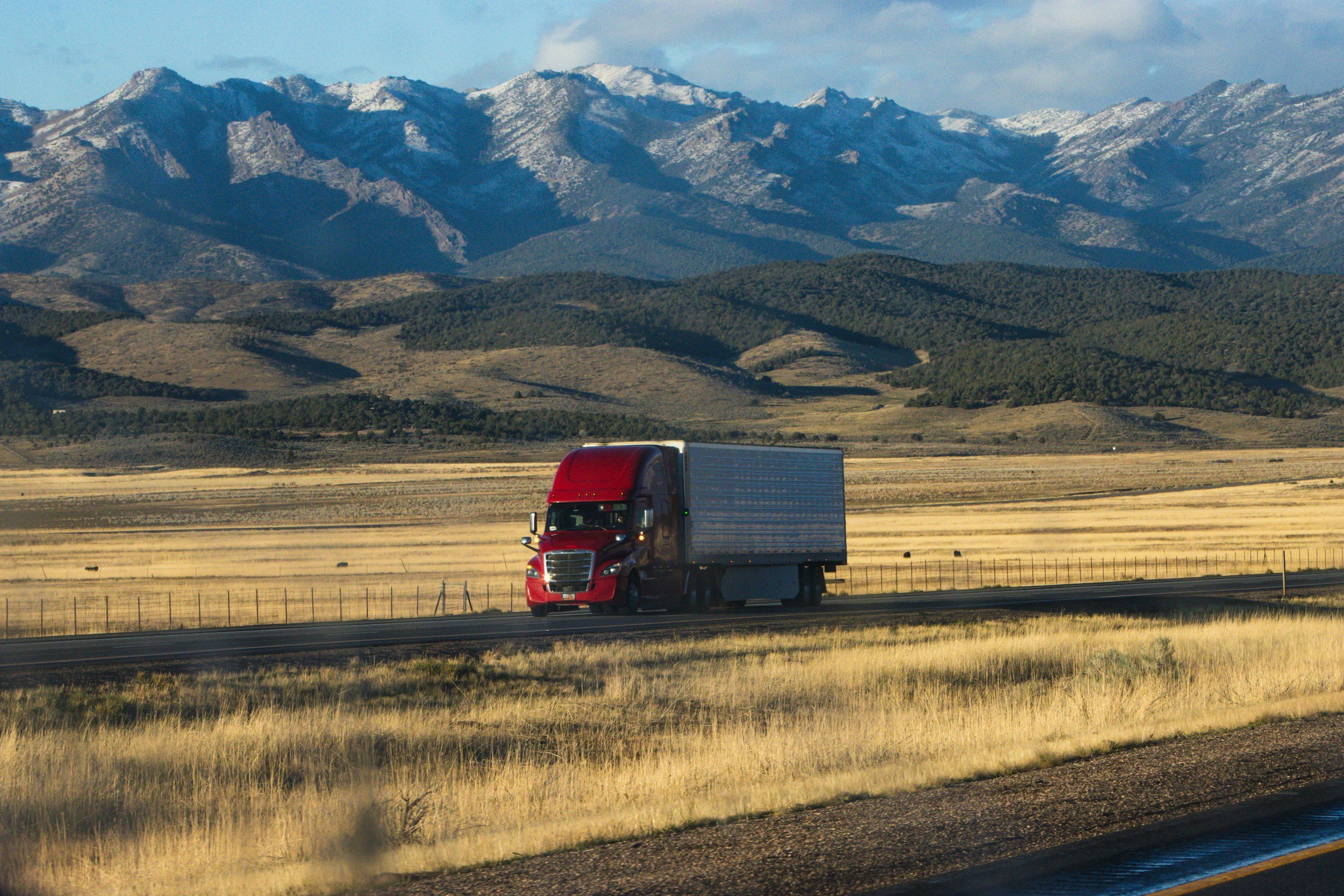
Shippers that move their beverage freight via full truckload are looking for more control, fewer touchpoints, and more protection for heavy or temperature-sensitive products. To ensure that, you need to reserve an entire 53-foot trailer for one shipment, but that is not enough if you want to get your money's worth. In this article, we explore what to consider and how to go about shipping beverages by full truckload in detail.
Pick the Correct Trailer – Reefer or Dry Van
The first step is knowing whether your beverage requires temperature control, because that decision drives everything downstream. Beverages like bottled water and most sports drinks do not require refrigeration and can be transported in a dry van, the standard enclosed 53-foot trailer. But anything perishable is another story.
Juices, milk-based drinks, and kombucha need a reefer. A reefer is a refrigerated trailer that keeps a set temp the whole trip. This matters because food logistics has a danger zone of 40°F and 140°F, and bacteria can double in as little as 20 minutes in that zone. Thecold chain transportation keeps the product out of that range from pickup to delivery, protecting the flavor and safety of the product.
This step is critical, and getting it wrong could mean paying for refrigeration you don’t need—or worse, risk a spoiled load.
Plan Your Weight Before Loading a Pallet
Weight is where beverage shippers tend to trip up most often, so calculate that before you think about anything else.Federal law limits gross vehicle weight to 80,000 pounds. Subtract the tractor and empty trailer, and you're left with about 42,000 to 45,000 pounds of usable cargo. Beverages are weighty. A pallet of bottled water can weigh 2,000 pounds or more, so a truck fills up on weight well before it runs out of floor space. Truckload capacity can vary depending on product weight and pallet build.
The industry term is weighing out versus cubing out. Dry, bulky freight cubes out, meaning it fills the space first. Beverages are weighed out, topping the ceiling of 80,000 pounds but still with room in the trailer. If you plan by pallet count, not weight, you will build a load that will get flagged at the scale. Then you are reloading on the shoulder of a highway. First, the math.
Configure Pallets to Match The Density of Beverage Shipments
Once you know your weight budget, you go about organizing the load. A 53-foot dry van will hold 26 standard 48 by 40-inch pallets single-stacked, two rows of 13, and up to 30 if you turn them, depending on orientation. But with drinks, you don't often get to use all those positions. You are limited first by the weight limit.
A load of canned drinks might legally allow only 18 to 22 pallets on the floor before you hit 45,000 pounds, even though the trailer physically fits more. Double-stacking, which doubles capacity for lightweight freight, is generally out because the bottom layer would crush, load integrity matters when dense beverage pallets are in transit, and the total weight would blow past legal limits anyway, which is why load planning is so important for beverage freight.
Good planning distributes the weight across the axles, keeps the load balanced, and gets the most legal product in each truck.Packaging is important here as well, because proper pallet configuration supports safe deliveries and reduces damage, while sturdy, uniform cases stack more neatly and ride more safely than mixed or flimsy cases.
Calculate The Shipping Costs For The Beverage Freight
Once you've got the trailer, weight and layout sorted, you can price the move. Full truckload rates vary depending on distance, weight, lane, equipment, fuel, and season. Reefer trailers are more expensive than dry vans due to the fuel and maintenance required for refrigeration, so temperature-sensitive drinks command a premium.
Timing also swings the price. During peak seasons such as summer, beverage demand can increase by as much as 80%, which constrains truck capacity and increases rates when you need to move the most product. The advantage of FTL shipping is that when you have enough volume to fill a trailer, it is usually the most cost effective choice. Then, a full truck booking will usually win over LTL by the pallet, because LTL is charged by the smaller quantity and has handling added at each transfer point. LTL shipping works better for smaller shipments, while multi-drop consolidation programs can combine smaller orders into a full truckload to lower cost.
If you are shipping full loads on a regular basis, those same factors usually make FTL the cost effective option.
How Forsla Helps Beverage Companies With Full Truckload Shipping
Forsla was built to move product on time and on budget, which is what beverage companies need when a late or warm load costs real money. From dry van, reefer, flatbed, and other trailer types, we provide full truckload configurations for loads of 22 to 30 pallets or more than 15,000 pounds so you get the right equipment whether your drinks are shelf-stable or temperature-sensitive.
Forsla coordinates each load, pairing it with the right trailer, carrier and route, and then tracks it in real time through a proprietary platform that provides visibility down to the SKU. Forsla’s focus on long-term pricing and buying power across a large network rather than ad hoc spot quotes helps keep rates competitive. Add warehousing, cold storage handoffs, transloading, and 24/7 support, and growing beverage manufacturers and distributors get reliable solutions that scale as they enter new markets across the country. Contact us today to get started.Request a quote.
Frequently Asked Questions
Q1. What is the difference between FTL and LTL for beverage shipping?
Full truckload means booking an entire trailer for one shipment, and FTL shipping is commonly used by wholesalers, distributors, and large event operators moving high-volume beverage loads that fill or weigh out a truck. Less-than-truckload, or LTL shipping, is used for smaller shipments, where your freight shares space with other shippers. FTL gives you direct routing and fewer touchpoints, while LTL shipping costs less for smaller shipments but adds handling at each transfer stop.
Q2. Do beverages need refrigerated trucks?
It depends on the drink. Bottled water, canned soda, and shelf-stable beverages ship fine in a dry van, while juices, dairy drinks, and kombucha are perishable goods that need reefer trucks maintaining temperature throughout transit. The danger zone for food is 40°F to 140°F, where bacteria can double in 20 minutes, so refrigerated transport prevents spoilage and keeps perishable beverages safe from pickup to delivery while helping preserve shelf life and product quality.
Q3. How many cases of beverage products fit in a full truckload?
It comes down to weight, not space. A 53-foot trailer holds 26 pallets on the floor, but beverages are so dense that a load usually hits the 42,000 to 45,000-pound cargo limit first. That often means 18 to 22 pallets of liquid product before the truck weighs out, leaving floor space unused. Plan by weight rather than pallet count.
Q4. What food safety rules apply to beverage shipping and supply chain?
The FDA's Food Safety Modernization Act includes the Sanitary Transportation Rule, which sets standards for moving food and beverages. It mandates strict vehicle cleanliness, proper refrigeration, and temperature documentation, a level of compliance that matters across the logistics industry. Trailers must be cleaned between loads to meet food-grade standards. Shippers are primarily responsible for setting safe transport protocols. Alcohol shipments often carry extra licensing requirements on top of FSMA compliance.
Q5. Can beverages be shipped internationally by truckload?
Yes. Beverages move across borders using truckload freight combined with intermodal options and broader distribution networks, as international shipping may link truck, rail, and ocean transport. Container shipping handles the ocean leg, while trucks cover the domestic portions. The main hurdles are customs clearance, proper documentation, and keeping temperature control intact on longer routes. Direct manufacturer sourcing can lower per-unit cost, but it often comes with higher MOQs. Distributor partnerships can help maintain consistent supply at the destination for high-volume beverage programs. Freight forwarders help manage customs paperwork and offer routing flexibility for international beverage shipments.