

International Fertilizer Shipping: Why the Right Freight Broker Makes or Breaks Your Margins
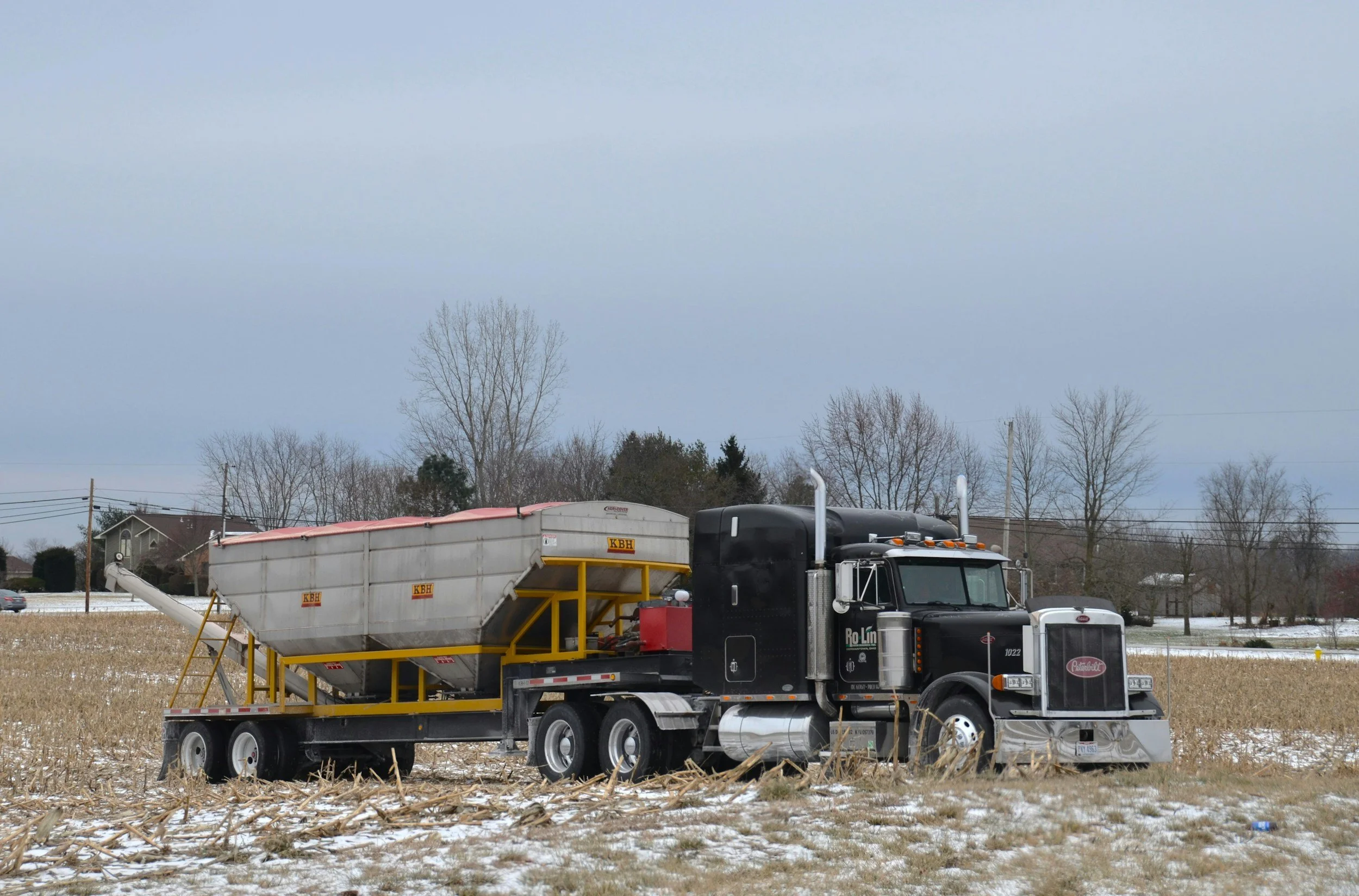
Logistics alone can account for 20-30% of the landed cost in international fertilizer shipping. So, for fertilizer buyers, shippers, and supply chain teams moving bulk product across global routes, freight is often the difference between a profitable deal and a bad one. For instance, when a buyer of urea pays $800 per ton, between $150 and $240 of that can go to transportation before the product reaches a warehouse. That single line item makes the freight broker one of the biggest determinants of whether a fertilizer deal makes money or bleeds it.
Most buyers haggle hard over the product price and treat international fertilizer freight as a fixed cost. It’s not. Vessel rates change weekly, seasonal shipping windows tighten options, port congestion shifts schedules, and demurrage charges can wipe out a margin advantage overnight. The cheapest quote tells you almost nothing about what freight will actually cost once the vessel docks, waits, unloads, and the product moves inland.
This article shows how the right freight broker protects margins on bulk fertilizer through smarter rate negotiation, better port selection, timing decisions, and stronger inland distribution planning, and what to look for when choosing an experienced partner such as Forsla.
Why Freight Costs Hit Fertilizer Margins Harder Than Most Commodities
Fertilizer is heavy, bulky, seasonal, and price-sensitive, yet it is also essential for crop production in agriculture, which is why freight costs eat into margins at a rate most manufactured goods never face. A container with $200,000 worth of electronics may have $3,000 in freight costs. A barge of urea valued at $200,000 could hold $50,000 or more. That freight-to-value ratio makes shipping one of the biggest cost inputs in any bulk fertilizer deal, especially because fertilizers feed the world’s crops and many products are tightly regulated as hazardous materials to protect safety and reduce risks tied to industrial accidents, environmental contamination, and other significant challenges in transport.
This adds to the margin pressure as the product itself is volatile. Natural gas prices, which are directly tied to the production of nitrogen fertilizers, are volatile with global energy markets because ammonia is produced from nitrogen and hydrogen using natural gas, and many fertilizer products also contain chemicals that require careful handling. According to industry pricing data, U.S. retail urea prices averaged about $858 per ton in April 2026, 27% higher than a month earlier and 49–60% higher than a year earlier. When product costs are already moving that fast, adding a wild freight rate on top leaves very little margin for error. Market changes on the product and transportation sides can simultaneously squeeze a buyer’s margin from both directions.
A freight broker who understands that pressure and can handle both sides of it protects the buyer in ways that a simple comparison of rate quotes cannot reveal.
Where Margins Disappear in International Fertilizer Shipping
Moving fertilizer from origin to destination is a chain of costs, and the margin damage is usually incurred at the points most buyers don’t think to ask about until the invoice lands. Here is how:
1. Demurrage and Port Congestion
Demurrage is a fee paid by a shipper when a vessel arrives at port and is unable to unload on time. The ship is anchored. Every day more charges pile up, often $15,000 to $30,000 per day on a bulk vessel, depending on charter terms.
More than 70 percent of the fertilizer imported to the U.S. East and Gulf Coast comes through New Orleans, according to the Fertilizer Institute. The rest mostly goes through Tampa and Houston. Those three ports handle a disproportionate share of global fertilizer freight simultaneously at peak times. Demurrage charges can eat into a competitive shipping rate, turning it into a net loss when, for instance, New Orleans is congested in early spring, when every buyer needs product ahead of planting. Cross-border fertilizer shipments also depend on accurate paperwork for customs clearance, since documentation errors can delay unloading and increase demurrage.
If a broker gets a vessel booked at the low rate and fails to get it unloaded on time, he has saved the buyer nothing. The rate looked good on the quote. The landed cost tells a different tale, especially when hazardous materials must meet the International Maritime Dangerous Goods Code for safety, including proper classification, packaging, and labeling to prevent explosions or emissions and avoid costly port delays.
2. Charter vs. Spot Market Timing
Buyers lock in a charter rate ahead of peak season to avoid the annual rate hikes that occur in spring shipping. During those same weeks, spot market rates can soar well above what a charter would have cost. Brokers time their bookings around seasonal demand, chartering capacity ahead of the spring rush and locking in rates when the market is softer, insulating the buyer from peak prices during the very weeks that fertilizer needs to move.
When brokers revert to the spot market, the buyer is subject to rate spikes with no advance notice. In a soft market, that gamble sometimes pays off. Rarely does it, in a year of port congestion, weather disruptions, or supply chain bottlenecks.
3. Mississippi River and Inland Distribution
The freight cost doesn’t end at the port. Fertilizer that comes through New Orleans is often barged up the Mississippi River for distribution points inland across the Midwest. The Mississippi River system carries about 500 million short tons of cargo each year, including fertilizer headed upriver for spring planting.
The Mississippi has experienced low water conditions in four consecutive years now. As water levels fall, barge operators reduce loads and tow sizes. During the low-water event in 2022, barge rates soared 145% above the prior year, according to USDA data. A freight broker provides the buyer with a partial view of the landed cost by quoting only the ocean shipping leg, not the inland leg. In the U.S., 63% of fertilizers are moved by rail, so inland mode choice has a major impact on landed cost and logistics efficiency. It doesn't matter what the cheapest vessel rate is from North Africa or the Middle East if barge rates on the Mississippi double between when the deal is booked and when the product needs to move north.
What an Experienced Fertilizer Freight Broker Actually Does Differently
The difference between a general freight broker and a fertilizer specialist is in the decisions made before the vessel is booked, not after. An experienced broker does not sell a shipping rate. They run a supply chain from the origin port to the farm gate, using logistics expertise to manage compliance for hazardous materials as well as cost, and understand that their decisions along that chain directly affect the buyer's bottom line.
A seasoned fertilizer freight broker will
Negotiate vessel rates on consolidated fertilizer volume. For example, a broker shipping 500,000 tons of fertilizer a year to multiple buyers gets access to rates that a buyer shipping 20,000 tons on their own never will.
Choose ports based on predictions of congestion and inland distribution costs, not merely on proximity. So, if, for instance, New Orleans or Tampa backs up, an experienced broker will know to reroute to alternative ports and adjust the inland leg rather than letting the shipment sit at anchor.
Time charter bookings to seasonal demand, locking in capacity and rates before the spring surge, instead of buying into the spot market at peak pricing. They arrange charter contracts with demurrage provisions that limit the buyer’s liability in the event of port delays.
Provide real-time tracking for the entire trip – ocean, port, barge, rail and truck – so the buyer can see where the freight is at each step and adjust distribution plans before a delay means a missed planting window, improving timely delivery.
Work across multiple modes of transportation, determining the best combination of ocean, barge, rail, and truck to deliver fertilizer to the final destination at the lowest total cost, not just the lowest ocean rate. This includes coordinating with carriers on DOT regulations, considering certain fertilizers, like the ones containing ammonium nitrate, are classified as hazardous materials.
How to Choose a Broker for International Fertilizer Shipping
Before signing up with a broker, test the following areas.
1. Volume History with Fertilizer
Ask the broker how many tons of fertilizer he moved last year and on what lanes. If you have a broker that has experience with volume in your specific trade lanes, whether it’s the Middle East to the US Gulf, North Africa to South America, or Canada to the US Midwest, they’ll have carrier relationships and access to rates that a general freight broker won’t. Brokers with real fertilizer volume also know which products move as hazardous materials and how UN Class 5.1 or Class 9 requirements affect carriers selection. If the broker cannot identify the fertilizer products they have shipped, like urea, MAP, ammonium sulfate, or potassium compounds, including when some involve chemicals with stricter handling rules, they are not ready for this freight.
2. Demurrage Exposure Management
Ask about how the broker factors in demurrage risk in the charter contracts. Do they negotiate demurrage caps? Hazardous materials requires strict isolation from heat sources and organic materials during shipping. Under IMDG rules, oxidizers must be segregated from flammable materials, so demurrage planning is partly a safety issue as well as a cost issue. Do they have port intelligence that allows them to schedule arrivals around congestion windows? If the broker views demurrage as an unavoidable surcharge rather than a risk to be managed, then the broker is passing the cost on to the buyer.
3. Port Relationships and Alternatives
Ask which ports the broker runs on and what happens when those ports become congested. A broker that relies on one port and has no backup plan creates a single point of failure during peak seasons. Brokers with relationships at alternative ports and the ability to reroute shipments protect the buyer when the main lanes get backed up.
4. Peak Season Capacity Planning
Inquire about the broker’s means of securing vessel capacity for bulk shipments in early spring, when all fertilizer buyers in the Northern Hemisphere want ships simultaneously. If the answer is “we go to the spot market,” the buyer is vulnerable to rate spikes during the year's most expensive weeks. The broker’s fee is paid in the rate difference when pre-booking a charter capacity before the seasonal rush.
5. Inland Cost Visibility
Ask if the broker quotes the full landed cost or only the ocean leg. Inland planning is not only about barge or rail; for smaller moves, LTL shipping is ideal for shipments under 15,000 pounds. The fertilizer that gets into New Orleans and has to be barged to Iowa has a substantially different cost profile than the same product that comes through a Gulf port that has direct rail access. You have a broker that gives you the full picture, ocean, port, and inland, managing your margin. Full landed-cost visibility should also account for fuel surcharges on inland truck moves. The one who pulls up to the dock is handling their quote.
International Fertilizer Shipping With Forsla
Fertilizer exports and imports are critical agricultural products for the agriculture industry. Getting it right means having a partner with adequate knowledge of the product and its logistics solutions, experience, and relationships to support farmers and any business that depends on reliable fertilizer supply while ensuring there are no compliance challenges throughout the international shipping process. Forsla fits the bill. With extensive record in the industry and technical expertise, your fertilizer shipment is always in good hands. Request a quote today to get started. Request a quote today.
Frequently Asked Questions
What role does the Mississippi River play in fertilizer transportation?
The Mississippi River system moves roughly 500 million short tons of cargo per year, including fertilizer shipped upstream by barge from New Orleans to inland distribution points across the Midwest. These bulk shipments also depend on pre-cargo cleaning, which requires intensive washing to eliminate traces of previous cargo or rust. Cargo holds must also be completely dry before loading to prevent fertilizer degradation. Low-water events have restricted barge traffic for four years running, reducing load sizes and spiking barge rates. For fertilizer shippers, the river's condition directly affects both transit times and inland freight costs.
How do trade policies affect international fertilizer shipping costs?
Trade policies, tariffs, and sanctions shift fertilizer trade flows between countries, which changes shipping routes, vessel availability, and port demand. Russia accounts for 23% of global ammonia exports, so disruptions in that trade have outsized effects on routing and costs. When the US restricted Russian and Belarusian potash imports, buyers turned to Canadian suppliers. Those routing decisions affect freight rates and port congestion. A broker who monitors trade policies can adjust sourcing and shipping lanes before disruptions hit the buyer's costs.
Can a freight broker help navigate market fluctuations in fertilizer prices?
A broker cannot control fertilizer prices, but they can time freight bookings to avoid compounding product price spikes with peak shipping rates. By chartering capacity during softer freight markets and avoiding spot-rate exposure during early-spring surges, a broker reduces the total landed cost even when fertilizer prices are rising. That timing is where the margin protection sits.
What is the role of the International Fertilizer Association in global shipping standards?
The International Fertilizer Association tracks global fertilizer production, trade flows, and logistics data that shippers and brokers use to forecast demand and plan shipments. For bulk transport, international fertilizer shipping also requires following the International Maritime Solid Bulk Cargoes Code. In cargo holds, incompatible chemicals must be segregated by liquid-tight bulkheads to protect safety. Their data on seasonal fertilizer movements and regional export volumes helps market participants anticipate port congestion and carrier availability. Shippers benefit from working with brokers who use this data in their routing decisions.
How do weather conditions affect fertilizer shipments?
Weather affects fertilizer shipping at every stage. Low water on the Mississippi River restricts barge capacity and raises inland freight rates. Hurricanes and storms can shut Gulf Coast ports for days during the fall shipping window. Winter weather slows rail service and truck deliveries inland. A broker with effective contingency planning uses weather forecasts to reroute shipments and adjust schedules before delays stack up.