

Why Shippers Cannot Afford an Unreliable Cross-Border Fertilizer Shipping Partner (And How to Vet One)
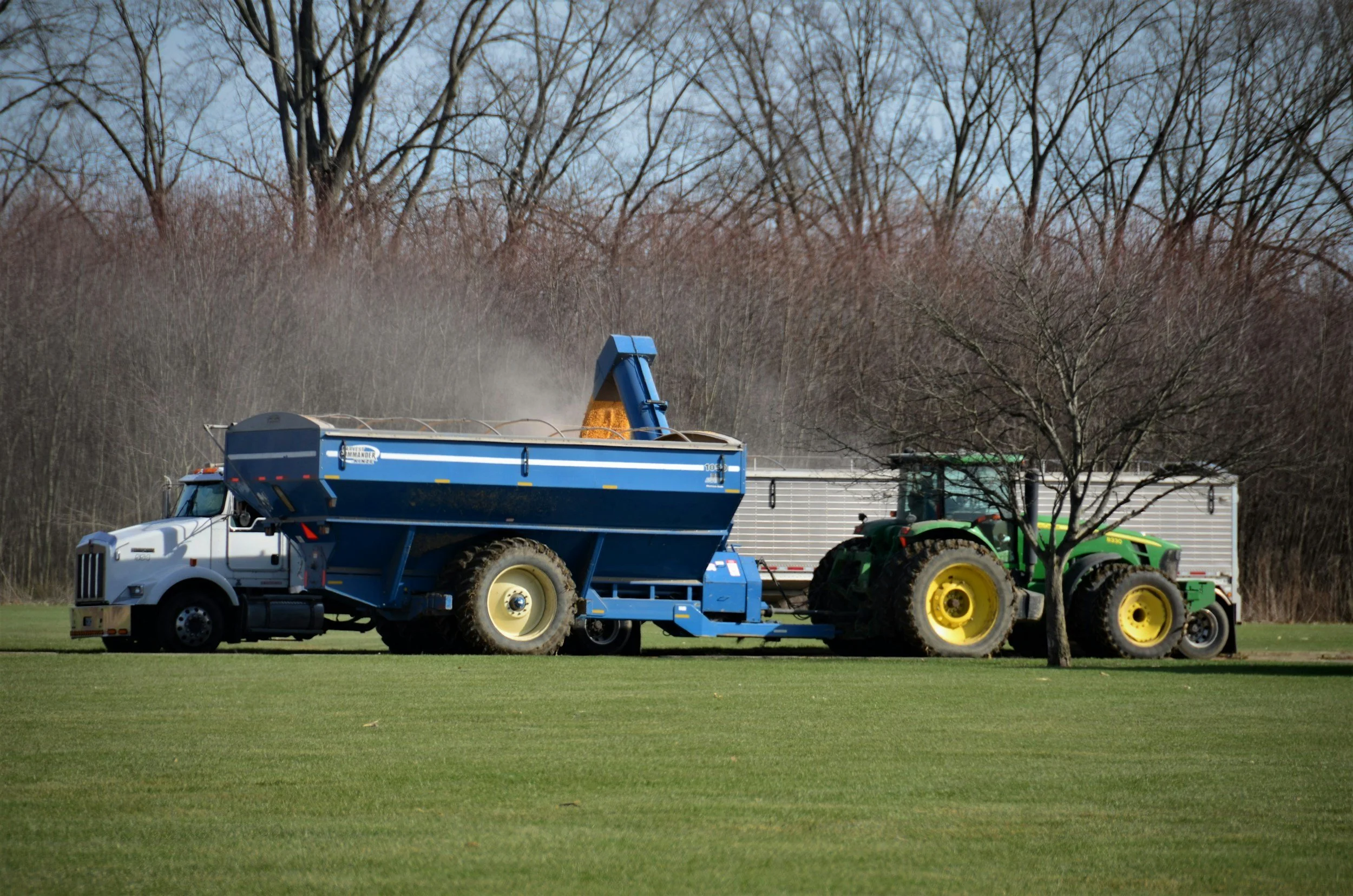
If a shipment of MAP or urea doesn’t arrive before planting season, it becomes worthless. Fertilizer usage runs on a calendar based on soil conditions and crop cycles, and that calendar doesn’t bargain. A load of potassium compounds that clears customs three weeks behind schedule in March will sit in a warehouse until the next year, racking up storage fees throughout that period.
That’s exactly why the most important factor to consider whenchoosing a cross-border logistics provider for fertilizer shipments is reliability. Lowest rates on a cross-border freight lane mean little if the shipment is pulled into secondary inspection due to a documentation error. This article provides shippers with a practical framework for vetting a cross-border fertilizer shipping partner.
Why Fertilizer Shipping Fails at the Border
In most cases, cross-border fertilizer shipments fall through the cracks for reasons unrelated to the freight itself. Here are some of the reasons why:
1. Documentation Errors and Customs Delays
One lone number that doesn’t match on a commercial invoice can cause a fertilizer shipment to be sent to secondary inspection at US Customs and Border Protection or the Canada Border Services Agency. The HS code classification, declared value, product description, and customs form entries must all match the commercial invoices. If any of that is wrong, the freight just sits. And that wait is measured in hours rather than days at a border crossing already backed up during the spring shipping season.
General freight customs brokers may not be aware of fertilizer-specific documentation requirements.Urea falls under HS heading 3102.10, while ammonium nitrate falls under 3102.30 and is subject to additional security scrutiny due to its dual-use classification. A broker who puts the wrong subheading or forgets a required Material Safety Data Sheet creates a delay that has nothing to do with the product and everything to do with the paperwork.
2. Hazardous Classification Gaps
Not all fertilizer sails are the same. DOT’s Hazardous Materials Regulations classify ammonium nitrate as a Division 5.1 oxidizer, which means it must be properly packaged, labeled, placarded, and documented for hazards, with proper packaging that prevents leaks and protects against humidity and compaction during transit. It also adds more customs requirements on both sides of the US-Canada border. Urea is not classified as a hazardous material under the UN transport regulations but is regulated by the DOT and can emit ammonia when exposed to heat during shipment. Many fertilizers absorb moisture and should be stored in waterproof packaging to avoid damage during cross-border moves. A cross-border logistics provider who doesn’t understand these classification differences creates border delays that compound over the weeks when fertilizer shipments matter most.
What a Late Fertilizer Shipment Actually Costs
A three-week hold-up at the border could mean a twelve-month delay in actual use. In the U.S. Midwest and Canadian Prairies, the planting window opens in early spring. That is when farmers need to put on fertilizer. If the product arrives after the window has closed, it will not be distributed. And the shipper has to pay the cost of maintaining it.
Costs build up from there. Weekly storage fees are charged at the warehouse or terminal. The shipper’s capital is invested in a product that will not generate revenue for another growing season. Late arrivals can result in penalties or account loss if the shipper has contractual obligations to deliver to a distributor or ag co-op. And the farmer who didn’t get the fertilizer still needs it, so they buy from a competitor that delivered on time.
According to StoneX, Canada supplies almost 90% of the US potash imports. By far the world’s largest producer, Canada accounts for some 38% of global potash capacity. The trade relationship runs on a seasonal clock. Once the window opens, all the fertilizer shippers in the corridor are competing for the same trucks and border-crossing capacity. Fertilizer supply chains are essentially just-in-time, with no stockpiles, so supply chain resilience depends entirely on the logistics provider getting freight across on time. One delay in peak season reverberates through the entire supply chain.
How to Vet a Cross-Border Freight Broker for Fertilizer
Shippers need to pressure-test three things before they sign on with a broker that will determine whether freight makes it to its final destination on time.
1. Track Record with Agricultural and Hazardous Cargo
Ask for references on fertilizer shipments. A broker who has moved thousands of loads of retail goods across the border may have no experience with ammonium nitrate, MAP, or potassium compounds. Agricultural products are regulated differently from general merchandise for import and export, and the documentation requirements for hazardous materials add another layer of complexity. Cross-border agricultural inputs are also monitored to prevent the spread of diseases. For organic materials, shipping fertilizer may require phytosanitary certificates and import permits to verify cargo is pest-free. A trusted logistics partner experienced with cross-border fertilizer shipping already knows the customs regulations, classification differences, inspection triggers, seasonal timing that drive this freight, and the specialized handling behind tailored solutions. Certificates of Analysis may also be needed to validate exact nutrient content for certain shipments.
2. Customs Clearance Speed and Broker Relationships
To ensure smooth border crossings, accurate documentation and a good relationship between the freight broker and the customs brokers that do the clearance are required. Find out how the provider handles customs compliance for fertilizer. Strong providers also leverage CTPAT certification for faster customs processing where available. Are they using dedicated customs brokers that focus on agricultural and chemical cargo, or do they process everything through a general clearance desk to ensure compliance and avoid fines? Ask what the average transit times are for fertilizer freight on the lanes you need. Brokers should also understand that duties are taxes based on the declared value of goods, and that USMCA can eliminate duties when goods meet the required criteria. And ask how the broker deals with shipment delays when a load is flagged at the border. If a broker can’t answer those questions with specifics, they’re not ready for time-sensitive ag freight.
3. Carrier Network and Seasonal Surge Capacity
Spring is the peak season for fertilizer, and every fertilizer shipper in North America needs trucks. It will be difficult for a lean carrier network to find capacity during this period. So, ask about carrier choice on both sides of the border. Check whether the broker has dedicated lanes for fertilizer and whether shipments are made in bulk. Are they appropriate for service in more than one transportation mode, including rail service for volume that exceeds that which can be moved by trucks alone? The capacity in early spring is the best test of whether a broker’s network can actually support your supply chain operations when the pressure is highest.
Red Flags When Choosing a Cross-Border Fertilizer Shipping Partner
Lower prices that sound too good to be true have trade-offs that become apparent once the load is booked, so compare multiple quotes and look for competitive pricing instead of chasing the lowest number. Red flags that the broker is selling on price and hoping the details work themselves out include: fuel surcharges added after quoting, carriers taking shortcuts on hazardous materials documentation, no named customs broker on file, and no effective contingency planning for weather conditions or border-crossing delays, including backup routings through alternative ports when congestion or disruptions affect the original plan. That practice causes costly delays at the part of the season when they are most damaging. Poor shipping processes and weak compliance controls also increase the risk of penalties.
Other warning signs to watch for: no real-time visibility into freight movements once the load crosses the border. No capacity to explain the clearance process for hazardous or regulated agricultural freight. Someone who thinks about fertilizer the same way they think about dry goods is not going to make the kind of routing decisions and carrier coordination needed to move freight efficiently across the border that cross-border fertilizer shipping requires."
If a broker can’t answer basic questions about HS classification, hazardous material placarding, or seasonal capacity planning on the first call, they’re learning on the job with your freight. There is no room for error when moving fertilizer across the US-Canada border during planting season.
Cross-Border Fertilizer Shipping With Forsla
Forsla is a reliable logistics partner for cross border shipping and cross border fertilizer shipping, with a wealth of knowledge and experience moving freight all kinds. We help shippers with customs compliance, import and export regulations, and shipping freight across the US-Canada border, while understanding season timing. And our execution record is second to none. This support helps many businesses reach international markets, manage shipments in different countries, and gain a competitive advantage through tailored solutions.Request a quote today.
Frequently Asked Questions
Can fertilizer be shipped by air freight across the US-Canada border?
Most hazardous fertilizers, including ammonium nitrate, are prohibited or heavily restricted for air freight under IATA Dangerous Goods Regulations. Urea may qualify under specific conditions, but air cargo is mainly reserved for urgent shipments requiring speed, and air freight is rarely cost-effective for bulk fertilizer shipments. Most cross-border fertilizer shipping relies on truck and rail service, which are the usual modes for transporting goods and moving freight across the border when volume and compliance requirements are higher.
How do trade agreements affect cross-border fertilizer shipping costs?
Under CUSMA, most qualifying goods shipped between the US and Canada enter duty-free, but that treatment still depends on meeting trade agreements and relevant export regulations. Duties are taxes based on the declared value of goods. Potash and most nitrogen fertilizers benefit from these trade agreements, reducing tariff exposure on the corridor. Shippers still need proper paperwork to claim that treatment. Without it, the shipment may be assessed duties, creating unexpected costs and slowing the clearance process at the border, so proper paperwork is needed to ensure compliance and avoid fines.
What is the role of customs trade partnership programs in fertilizer shipping?
Programs like C-TPAT in the US and Partners in Protection in Canada support customs compliance, faster processing, and fewer inspections for participating shippers and carriers. Where eligible, fertilizer shippers should leverage CTPAT certification to speed customs processing. For fertilizer shippers moving time-sensitive seasonal freight, enrollment in these programs can reduce delays and secure trade lanes during peak spring volume. Many businesses that ship fertilizer regularly find the enrollment process pays for itself in shorter transit times, while trusted programs also help monitor progress through more predictable border handling and fewer inspections.
Does less-than-truckload shipping work for fertilizer?
Less-than-truckload can work for smaller fertilizer shipments, but it adds complexity to cross-border lanes. LTL freight typically faces longer transit times and more handling points, which raises the risk of shipment delays and documentation errors at the border. For time-sensitive seasonal freight, full truckload or bulk shipments on dedicated lanes offer more reliable final delivery and fewer touchpoints where things can go wrong.