

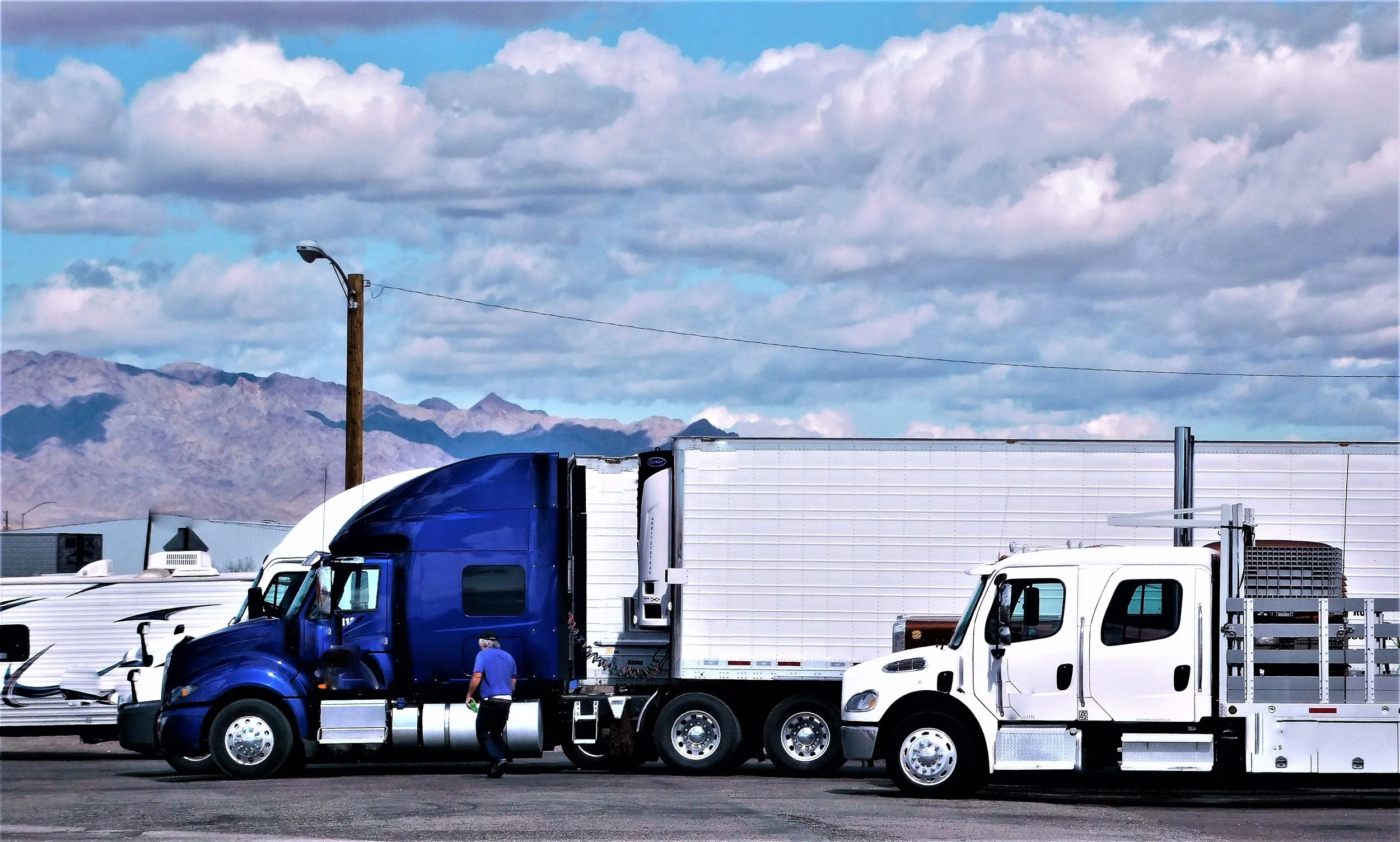
Freight Brokerage Services
Forsla provides freight brokerage services designed to secure capacity across every major mode and manage execution from origin to destination. We coordinate air, ocean, truckload, project cargo, and specialized transport through trusted carriers — so shippers do not have to manage fragmented providers themselves.
One partner. Every mode. Full accountability.
One Partner. Every Mode. Total Coordination.

Freight brokerage at Forsla is not just about booking a load. We are a third-party logistics company operating as a non-asset-based partner. We focus on capacity procurement, coordination, and execution, leveraging our knowledge, resources, and expertise to optimize your supply chain operations.
At Forsla, freight brokerage services mean:
Offering access to a broad, pre-vetted carrier network
Securing capacity across vetted carrier networks
Managing planning, booking, and documentation
Coordinating compliance and customs processes
Tracking shipments across mode transitions
Handling exceptions before they become disruptions
Serving as a single point of accountability
Forsla protects your business from carrier bias and gives you flexibility when market conditions shift. Our freight brokerage services include truckload, less-than-truckload (LTL), air, and ocean freight, with services tailored to meet specific shipping needs, including temperature-controlled and heavy haul shipments.
The Problem with Fragmented Freight Management
Most supply chains do not fail because freight cannot move. They fail because responsibility is divided.
Common breakdowns include:
Separate providers for air, ocean, and trucking
Poor communication between shipment legs
Limited visibility during transshipments
Carrier bias driven by owned assets
No unified accountability when delays occur
When each provider manages only their portion, no one manages the whole.
3PLs help consolidate a fragmented truckload market into a single point of contact for shippers, offering a larger variety of services than customers could provide for themselves, including both domestic and international options. By understanding and adapting to customer requirements, 3PLs improve supply chain efficiency and flexibility.
Forsla exists to eliminate that fragmentation. We connect modes, manage transitions, and maintain visibility across the entire movement.
What Freight Brokerage Means at Forsla
Air Freight Brokerage
Forsla secures commercial and freighter capacity for time-sensitive shipments. We coordinate expedited air movements, charter solutions, and international airport-to-door management.
→ Explore our Air Freight page
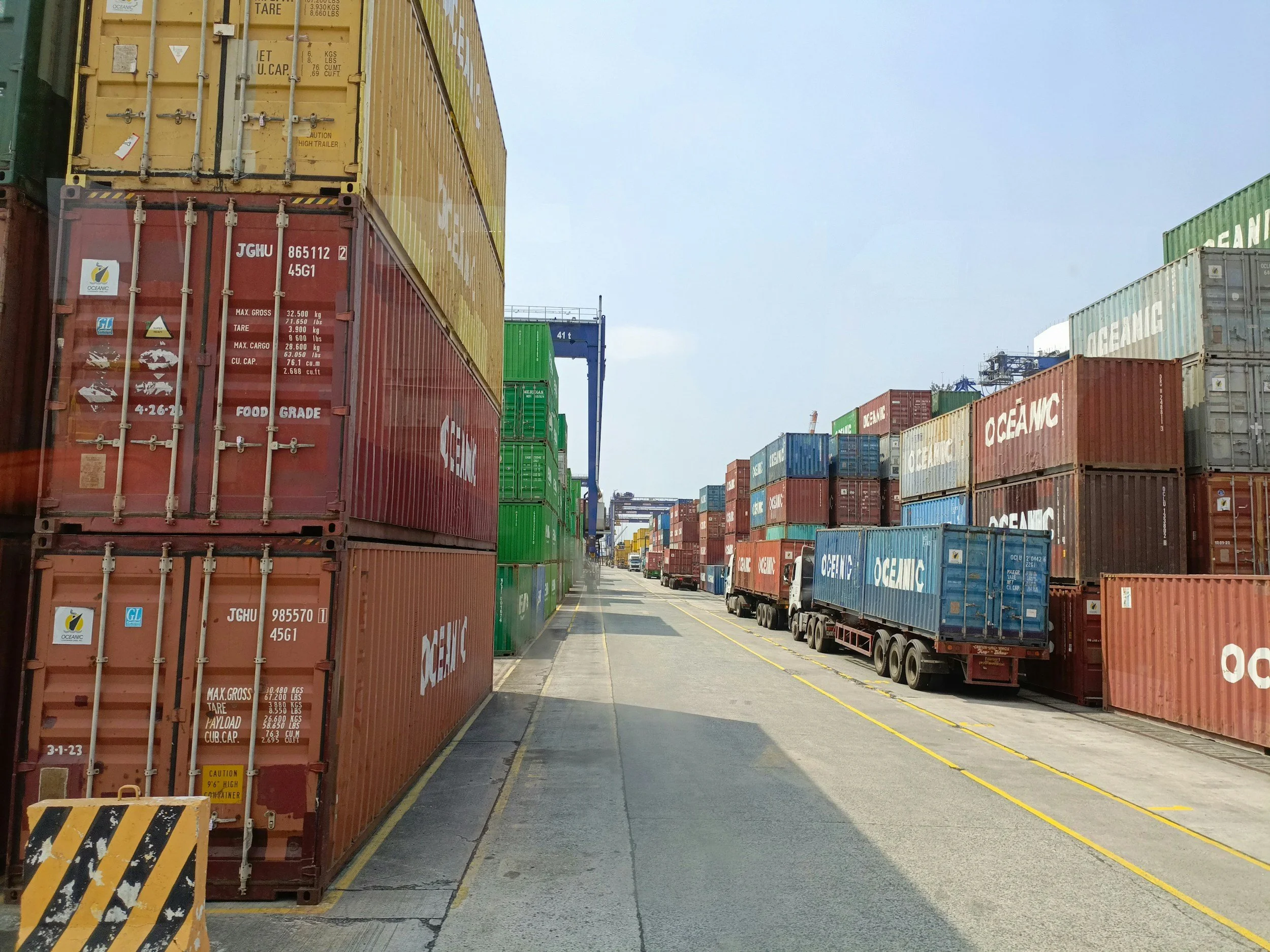
Ocean Freight (FCL / LCL) Brokerage
We manage container space procurement across global carriers, coordinating both FCL and LCL shipments with port-to-port and door-to-door control.
→ Explore our Ocean Freight (FCL/LCL) page
Domestic & Cross-Border Trucking
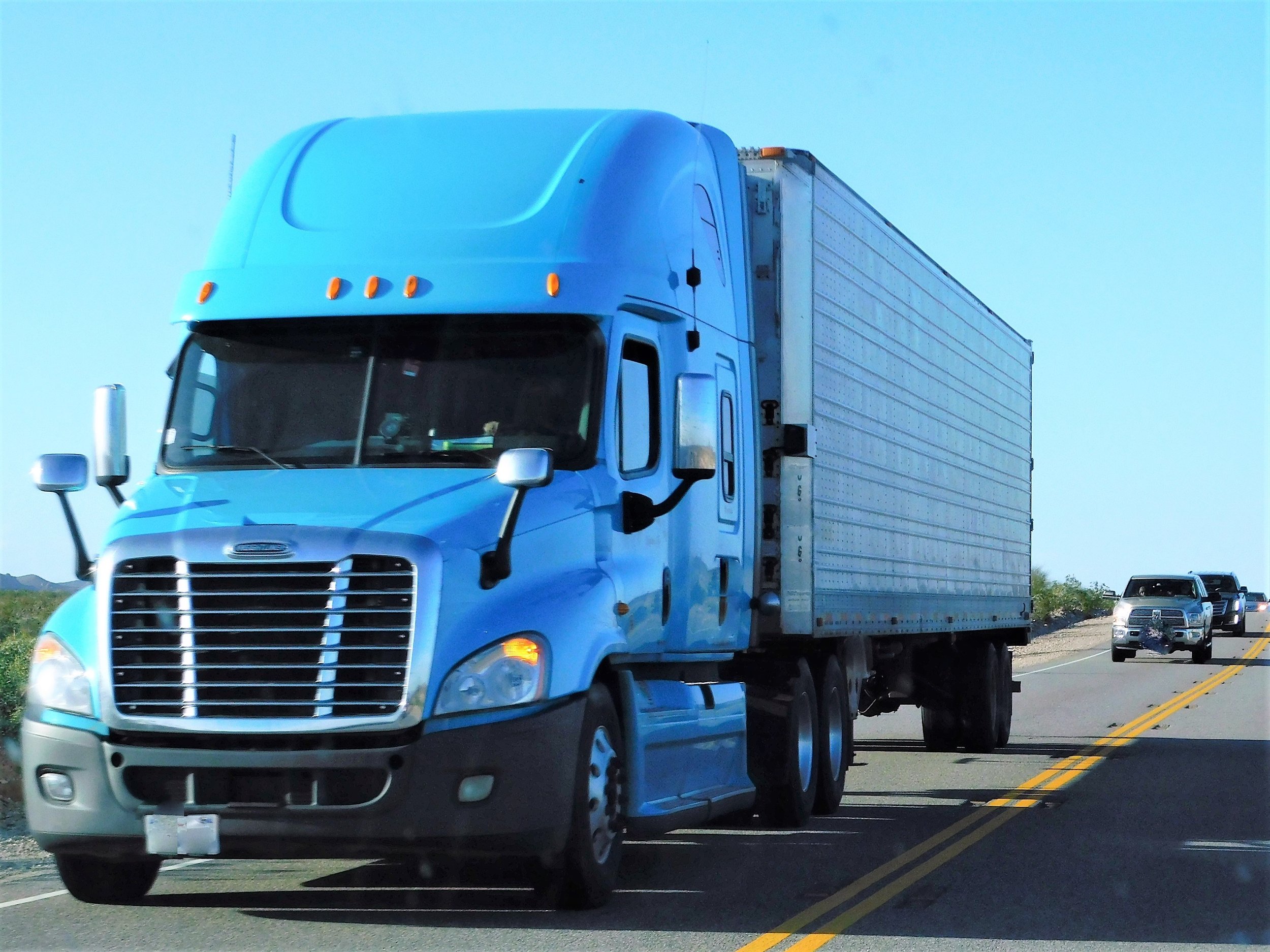
Forsla coordinates dry van capacity, reefer shipments, flatbed and open deck moves, as well as LTL and FTL transportation. From regional distribution to long-haul lanes, we match freight with the right carriers.
→ Explore our Dry Van, Refrigerated, and Flatbed pages
Specialized & Project Freight
For complex freight, Forsla brokers capacity across:
We manage equipment selection, permitting, and execution.
Freight brokerage is not a single service. It is orchestration across all of them.
Forsla’s Multimodal Freight Broker Capabilities
Freight brokerage at Forsla connects all service offerings into a single, coordinated system. Forsla helps shippers scale logistics operations by providing on-demand capacity without the need to manage a fleet, enabling you to efficiently handle varying shipment volumes and support business growth.
How Forsla Improves on Traditional Brokerage
Forsla builds long-term relationships with both shippers and carriers, fostering trust and reliability. The significant difference between traditional third-party logistics (3PL) providers and Forsla lies in the level of system integration, service customization, and contract durability.
That said, execution is where the brokerage either creates value or loses it.
Forsla structures execution around four pillars:
1. Capacity Access
We maintain pre-negotiated carrier relationships across modes. This provides more capacity options when markets tighten and reduces exposure to single-carrier dependency.
2. Carrier Vetting
Every carrier is evaluated on safety performance, compliance standards, and service reliability. We monitor performance metrics continuously.
3. Visibility & Control
Forsla connects brokerage with centralized shipment tracking. Clients gain real-time updates and milestone monitoring across air, ocean, and trucking legs.
→ See our Freight Tracking & Visibility solutions
4. Exception Management
Delays happen. What matters is response. We proactively reroute, escalate, and coordinate contingency plans before disruptions cascade.
Industries Served Through Brokerage
Forsla’s freight brokerage services support diverse industries, including:
Manufacturing — inbound components and outbound distribution
Energy & Renewables — project freight and specialized cargo
Food & Beverage — temperature-controlled and dry freight
Industrial Equipment — heavy and high-value transport
Retail & eCommerce — high-volume distribution networks
Construction & Infrastructure — oversized and flatbed freight
Each industry has different requirements. Brokerage adapts accordingly.
Technology + Human Oversight
Technology enables control. People ensure accountability.
Access to advanced technology is a significant benefit of using tech-forward brokerages like Forsla, especially with tracking and managing shipments. Forsla integrates freight visibility platforms, documentation management tools, performance tracking dashboards, and digital freight matching platforms to streamline processes.
But technology alone does not manage freight. Our resources and industry knowledge set us apart. Dedicated account managers monitor shipments, communicate with carriers, and intervene when needed. Software supports execution and our team drives it.
Simplify Your Freight Network With Forsla
From standard shipments to specialized project cargo, Forsla brokers the capacity and manages the execution — so your freight moves without friction.
Frequently Asked Questions
-
Freight brokerages function as an intermediary, connecting shippers with qualified carriers and managing freight movement across transportation modes. A freight broker does not typically own trucks or vessels. Instead, they secure capacity, coordinate carriers, manage documentation, and oversee shipments from origin to destination. At Forsla, freight brokerage includes multimodal coordination across truckload, LTL, air, ocean, and specialized freight.
-
A non-asset-based provider does not own trucks, ships, or aircraft. That means there is no pressure to fill owned assets. Instead of operating equipment, Forsla focuses on capacity procurement, carrier relationships, and supply chain management. This allows us to select the right carrier based on performance, market conditions, and shipment requirements — not internal utilization targets.
We also offer load-to-ride freight pricing models for PTL to minimize handling and optimize value.
-
Yes. Forsla coordinates standard truckload and LTL shipments as well as specialized freight such as project cargo, oversized loads, hazardous materials, refrigerated transport, bulk shipments, and multimodal international moves. Because we operate across a broad carrier network, we can match freight to the right equipment and expertise.
-
Freight brokerage services are especially valuable for industries with complex supply chains, including manufacturing, retail, energy, food and beverage, construction, and industrial equipment distribution. These industries often require scalable capacity, multimodal coordination, and reliable execution across global markets.