

The Need for Aligning Packaging Freight for Seamless Beverage Logistics
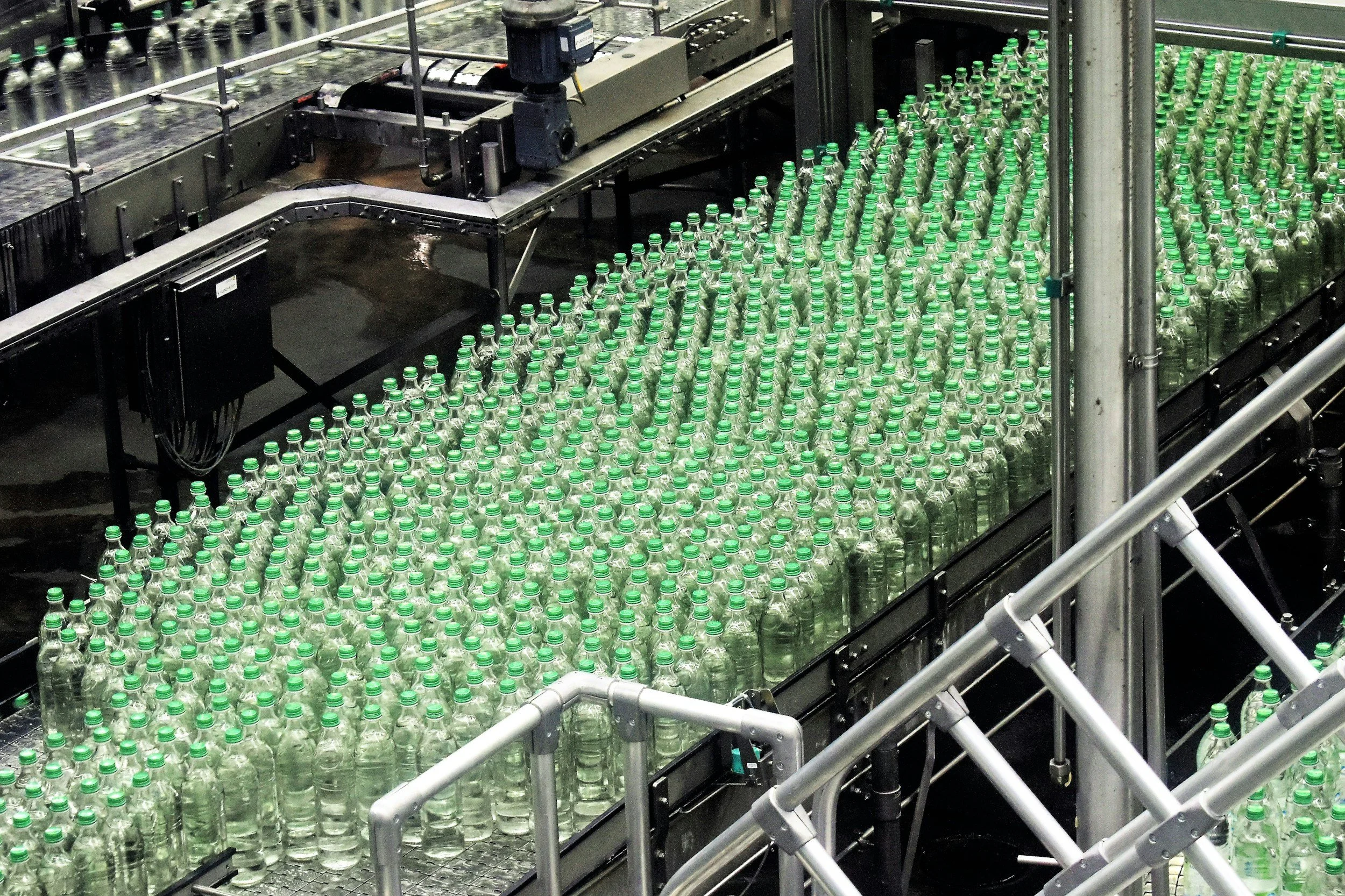
An Ohio brewery runs out of aluminum cans on Tuesday morning while the supplier's truck is somewhere on I-70, but no one at the plant knows exactly where it is. As a result, the canning line stops, and labor goes idle. Here's the weird thing. That same brewery tracks every finished beer pallet leaving the facility in real time, including GPS, temperature logs, and carrier ETAs to the minute. But the inbound side, where glass bottles, aluminum cans, plastic preforms, cartons, caps, and labels arrive from packaging suppliers, gets very little visibility at all. Beverage logistics is not just outbound shipment of finished products; it also includes the inbound freight that keeps production running, and when that packaging flow breaks down, the result is missed schedules, higher costs, and preventable production delays.
For beverage companies, especially supply chain and logistics managers, procurement teams, and plant operations managers, that gap affects more than one truckload. It shapes line uptime, product delivery performance, and compliance with FDA requirements tied to packaging and traceability. This article looks at inbound packaging freight, the shipping challenges tied to different packaging formats, how disruptions ripple into production, why real-time tracking improves shipment visibility, and how companies like Forsla support beverage logistics.
Why Beverage Logistics Usually Ignores The Inbound Side
Most beverage companies focus their logistics resources on outbound freight, which makes sense because when you think about it, outbound is revenue going out. It's where the finished product lands in distributors, retailers, and grocery shelves. Beverage business planning is also shaped by demand volatility and seasonal consumption patterns, especially when delays affect customers. And a late delivery there leaves a cooler empty and a sale lost.
Conversely, incoming packaging freight is usually a purchasing problem. The procurement team orders the bottles, and the supplier organizes trucking or transportation. Nobody thinks about it if it arrives on time, and when it doesn't, the plant team makes a few phone calls.
The problem is that beverage companies often buy their packaging from four or five different suppliers in four or five different states. And each supplier manages its own carriers on its own schedule. The beverage company has no real-time tracking on any of those inbound loads, so they only discover a shipment is late when the dock is empty, and the line is waiting.
What Beverage Packaging Solutions Actually Have to Move
Glass bottles, aluminum cans, PET preforms, and corrugated cartons each carry different weight, fragility, and damage risks during freight, so beverage logistics needs a customized approach that accounts for the physical properties of liquid products even when the focus is packaging inputs. Most beverage plants source these materials from four or five separate suppliers across different states, which means five carriers, five schedules, and five different ways something can go wrong before a single bottle gets filled.
The broader flow also includes liquid consumables such as soft drinks and alcohol, while packaging freight has its own handling constraints that are essential to manage well.
Glass Bottles: The Hardest Packaging Freight in The Beverage Industry
Glass is vibration-sensitive, brittle, and heavy, so bottled beverages need fragile packaging because breakage risk is high in transit. If a beverage company gets truckloads of wine or beer bottles every week, even a 5% breakage rate on a single load can delay a bottling run for a full shift. Corrugated dividers help, but can lose up to half their strength if they get wet during transit, which is common on longer routes. Because glass is heavy, careful load balance during transport is crucial to reduce damage.
How Plastic Packaging and Aluminum Cans Create Different Freight Problems
Aluminum cans ship on pallets, which keeps per-unit damage low. But the loads are dense and heavy, and liquid freight can be dense enough to affect transportation weight limits. Proper weight distribution is crucial for preventing shifting loads and accidents, not just breakage. A poorly loaded pallet can shift during transport and crush product at the bottom of the stack. Plastic packaging, like PET preforms, carries different risks.
For instance, they are heat-sensitive, so if a trailer sits in direct sun without temperature monitoring, the preforms will warp and won't blow into usable bottles at the plant, creating a food safety risk. Master shipper cartons and corrugated boxes arrive on different trucks from different suppliers, with different stacking limits and moisture tolerances; each pack must also withstand moisture and stacking during transport. Master shipper cartons protect beverage products from the plant to the shelf. An average soft drinks operation may require five inbound packaging deliveries a week to keep one bottling line running.
How Packaging Freight Disruptions Hit Soft Drinks and Beer Before They're Made
Production lines stopping because of late or damaged packaging is a short-term cost that adds up fast. Packaging delays are rarely tracked as a downtime event because most plants log them as a "material shortage" instead of a freight failure.
Downstream effects are usually worse than the initial halt. Bottled water and soft drinks have tight delivery schedules to stores, and many beverage products have short shelf lives that require rapid delivery. A six-hour delay in caps arriving at a bottling plant can push finished product delivery past a retailer's receiving window, which means the load gets rescheduled, the truck sits, and the distributor scrambles for consumers.
In beer and wine, temperature control is crucial for shipping craft beers and wines. Craft beers can spoil if exposed to excessive heat or sunlight. Any front-end packaging delay further threatens freshness, especially because beverages are heavy and prone to spoilage in transit when delays occur. You don't see this in the outbound logistics data. The drink company is late in delivering to the retailer. What they don't see is that it all started with a truckload of shrink wrap that showed up a day late.
What Large Beverage Companies Get Right About Packaging Logistics
Large-scale operations handle inbound packaging differently because they can't afford not to. Molson Coors, for example, ships approximately 13 million barrels of beverages per year according to a 2023 FreightWaves profile. The company works with more than 7,000 transportation providers across its global supply chain and maintains a 97.9% on-time delivery rate on outbound freight.
That kind of performance doesn't happen by managing only the outbound leg. Companies at that scale coordinate inbound packaging deliveries against production schedules. They also optimize routes and load capacities to handle higher volume efficiently. They qualify carriers for packaging-specific freight types and track inbound loads with the same tools they use for finished goods.
Mid-size beverage companies can take a page from that approach without Molson Coors' budget. The starting point is treating inbound packaging as a managed logistics function rather than a purchasing afterthought. That means putting packaging freight on a TMS, qualifying carriers for fragile or temperature-sensitive loads, and building visibility into when materials will actually reach the plant with the expertise to power through disruptions; experienced teams also build strong carrier relationships to support capacity during peak seasons.
What Real-Time Visibility Over The Packaging Supply Chain Looks Like
Real-time visibility into packaging freight is knowing which carrier has the glass bottles, when they will arrive, and whether the load has been handled properly in transit. For heat-sensitive plastic packaging, that means monitoring trailer temperature, and for glass, it can mean shock and vibration sensors that detect rough handling before the truck reaches the dock.
There's also the compliance piece. Packaging materials that directly contact beverages are regulated by the FDA and FSMA. The Sanitary Transport Rule requires documentation of vehicle cleanliness and temperature controls for food-contact materials. That documentation is automatic with a digital audit trail on inbound packaging freight, not something the quality team pieces together after the fact.
TMS platforms with API integrations can pull inbound packaging data into the same system that handles outbound shipments. One view of everything going to and coming away from the plant, instead of two separate workflows.
How Forsla Handles Beverage Logistics for Packaging Suppliers
Forsla supplies the freight for beverage producers on either side of the plant gate. Its proprietary TMS and SKU/PO/Container visibility platform tracks inbound packaging materials with the same granularity as outbound finished product, using specialized equipment to deliver reliable performance as customers grow across markets.
Forsla offers real-time tracking and condition monitoring, and carrier qualification, designed around production schedules for companies shipping glass bottles, aluminum cans, plastic packaging, or corrugated cartons to beverage production facilities, with experience handling alcoholic drinks that must meet state and federal regulations. This helps your plant teams prevent line stops caused by waiting for a truck that can't be located, while helping enhance product quality and protect brand performance as you advance supply chain goals. Request a quote today to get started.
Frequently Asked Questions
Q1. Why is inbound packaging freight overlooked in the beverage industry?
Most beverage companies put their logistics budgets and tracking tools on outbound shipments because that's where revenue moves and where late deliveries have visible consequences. Suppliers usually manage inbound packaging freight or leave it to procurement, which means the beverage company often has no tracking, no carrier oversight, and no data on arrival timing. The gap shows up when the production line goes down waiting for materials.
Q2. What types of beverage packaging solutions need special freight handling?
Glass bottles need vibration protection and careful stacking to protect against breakage across a range of bottle sizes. Aluminum cans ship in dense nested pallets where weight distribution matters more than fragility. Plastic packaging like PET preforms is sensitive to heat and can warp during transit in unmonitored trailers. Corrugated boxes and master shipper cartons lose strength when exposed to moisture. Each material type carries different risks, and custom inserts can minimize damage and improve shipping efficiency for fragile loads, so carriers need to be qualified for the specific load.
Q3. How do glass bottles and aluminum cans differ in shipping requirements?
Glass bottles are heavier per unit, fragile, and carry a 4 to 8% breakage rate in freight, according to Fleetworks data. They need dividers, shock-absorbing packaging, and carriers experienced with fragile loads. Aluminum cans are lighter individually but ship in high-density pallets where weight distribution and stacking stability matter more. Both need careful loading and unloading, but the failure points are different.
Q4. Does FDA compliance apply to beverage packaging freight?
Yes. In beverage logistics, packaging materials that contact beverages, and beverage shipping itself, must comply with FDA and FSMA regulations, which calls for expertise in documenting compliant handling. The Sanitary Transportation Rule, part of FSMA and aimed at preventing foodborne illness, requires documentation of vehicle cleanliness and temperature controls during transport. Beverage companies must ensure packaging arrives under compliant conditions, which is difficult to prove without tracking data and audit trails for inbound freight.
Q5. How does real-time tracking improve packaging supply chain performance for beverage products?
Real-time tracking gives plant teams visibility into when packaging materials will arrive, which helps prevent production line shutdowns from unknown delivery delays. It also flags problems in transit, like temperature spikes on heat-sensitive plastic packaging or rough handling on glass loads, before the truck reaches the dock, and temperature control is crucial for preserving beverage quality during shipping across the country and around the world. Some beverages require cold-chain management and refrigerated trucks to stay within specific temperature ranges. With inbound tracking data feeding into a TMS, beverage companies can hold carriers accountable and schedule production runs with more confidence. Temperature excursions into the 40°F to 140°F danger zone can spoil temperature-sensitive beverages in transit.