

Why West Coast Beverage Brands Need a West Coast Freight Broker
A Portland-based craft kombucha company books a reefer load through a national broker in Atlanta. The broker assigned a carrier that doesn't normally run the I-5 corridor, isn't set up for California emissions enforcement, and scheduled pickup during peak produce congestion out of Salinas. Thirty-six hours later, the load is late, the grocery distributor issues a penalty, and the brand drops to the back of the next restock cycle.
This is the freight reality for West Coast beverage brands shipping temperature-sensitive products like craft beer, wine, kombucha, and dairy-based drinks. California CARB rules, seasonal reefer capacity shortages, lane-specific pricing, and handling requirements make regional expertise essential if you want on-time, temperature-controlled delivery. This article breaks down those West Coast freight risks, shows where real-time tracking and safe beverage handling matter most, and explains how to choose a regional broker like Forsla to help you avoid delays, penalties, temperature excursions, and missed customer commitments.
What Makes West Coast Freight Different For Beverage Brands
Freight on the West Coast works in ways that no place else in the country does. For example, California's Air Resources Board (CARB) mandates that all trucks must have 2010 or newer model-year engines to operate in the state, and as of 2023, freight brokers can only send California routes to CARB-compliant trucks and carriers. If a broker doesn't know these rules, they may book a non-compliant carrier that gets turned around at inspection, and the beverage shipment sits while someone scrambles for a replacement.
Then there's the reefer capacity problem. California moved 2.56 million tons of produce in Q3 2025, about 34% of the total U.S. produce truck volume for the quarter. As the spring produce season gets into full swing, reefer trucks are pulled into the agricultural lanes. Beverage companies need cold chain or refrigerated trucking for craft beer, wine, dairy-based drinks, or cold brew, and they fight over the same trailer space. A broker running West Coast routes every day knows when that squeeze is coming. An outsider will be stuck quoting March rates that are gone by April.
Why a National Broker Misses What Matters in The West Coast Supply Chain
National brokers use rate boards and load matching software. They can carry cargo. But their job is not just moving freight; it is helping a beverage business manage the West Coast supply chain with more efficiency, and they do not always understand the conditions shaping West Coast beverage lanes.
For example, they may not know that reefer spot rates jumped 43% in one month in the 2026 produce season or that the Central Coast corridor from Oxnard through Salinas gets tighter every spring as lettuce and strawberry shipments pull refrigerated capacity away from general freight. A beverage company shipping cold brew from Sacramento to Portland might get a rate in February that sounds competitive, but that same rate may be unavailable by May. West Coast carriers optimize routes for cost savings and efficiency, which is one reason established regional networks support more competitive prices.
Carrier access matters less than carrier relationships. A West Coast broker that moves 200 reefer loads a month on I-5 and I-15 has relationships with carriers that run those lanes daily, and the importance of clear communication with clients and customers is that it builds trust while helping ensure reliable execution. A national broker matching loads from a national pool is more likely to assign a carrier to fill a backhaul who may not know the lane, may not have the proper CARB documentation, and may not let a beverage brand focus on core operations or put a temperature-sensitive beverage load at risk when service quality slips.
That gap shows up when regional partners help brands thrive by using established networks to ensure reliable, timely deliveries without sacrificing quality.
How Southern California and Las Vegas Lanes Shape Beverage Distribution
The Southern California-to-Las Vegas corridor is one of the busiest beverage freight corridors in the West. More than 40 million visitors come to Las Vegas annually and the I-15 from Los Angeles is the primary artery, carrying the lion's share of Las Vegas's food-and-beverage volume, and congestion along this corridor can lead to delays and hurt delivery efficiency.
The lane is about 270 miles, which is short, but it is also competitive for trailer space, especially on weekends and during the summer months when desert heat regularly pushes past 110°F. FF Dispatch lane data show a 25 to 30% jump in summer deliveries of reefer beer and water to Las Vegas. That heavy freight activity also raises environmental concerns, including air and noise pollution in nearby communities, with disadvantaged communities often bearing more of the impact. A beverage brand out of Southern California wants a broker who locks in reefer capacity before the surge, not one that starts looking for a truck after the load is tendered.
The Northern California and Pacific Northwest corridors are under pressure of their own. Distribution lanes from Oakland to Portland and Sacramento cut through produce-heavy territory where carriers switch between ag loads and general freight, based on the season.
Full Truckload and Safe Handling For Temperature-Sensitive West Coast Shipments
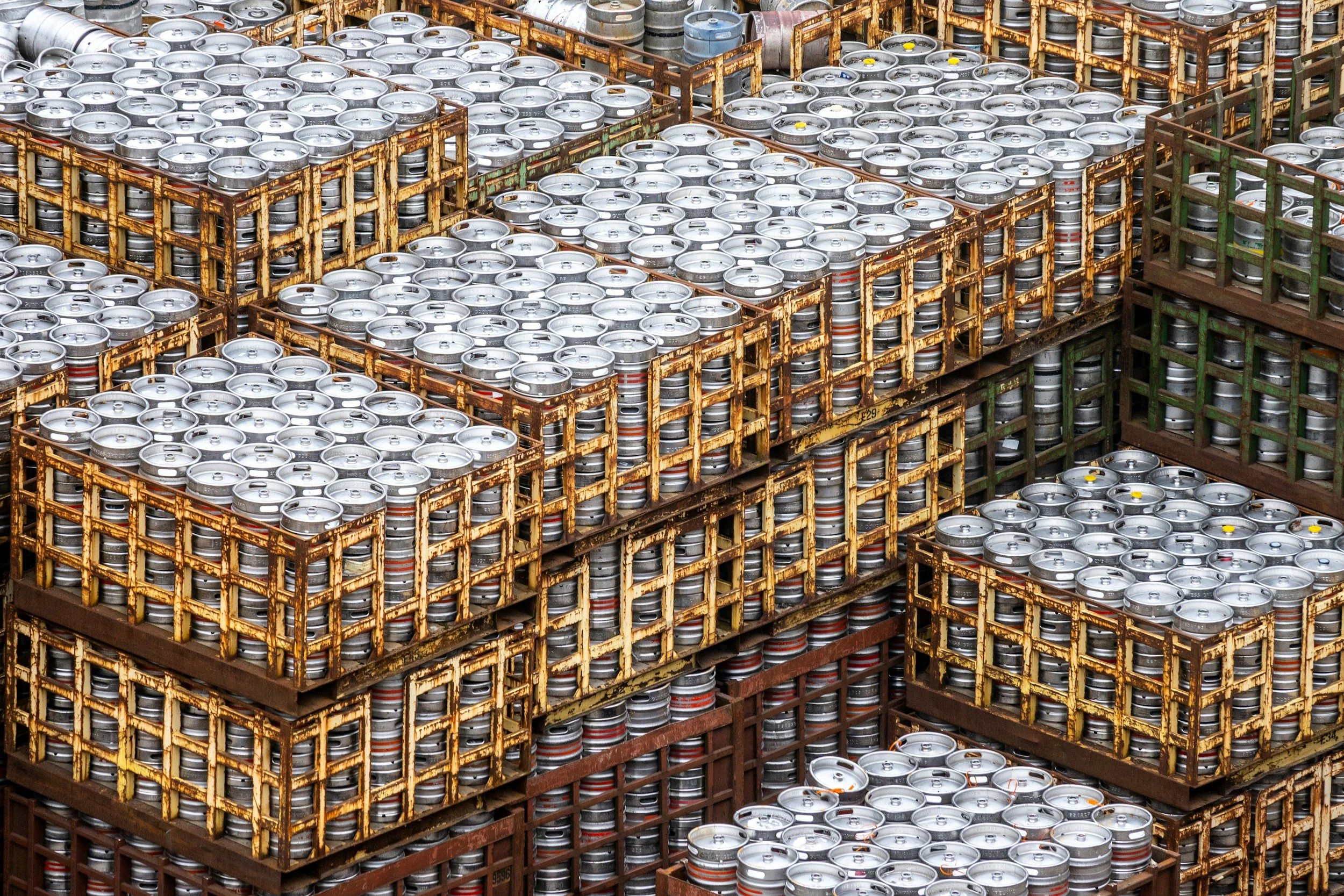
Drinks can quickly reach freight weight limits. Liquids are heavy, and a full truckload of bottled water or canned beer can exceed a trailer's weight limit long before it fills the floor space, so FTL shipping is ideal when the load needs the entire trailer. Weight distribution during loading is a safety and compliance requirement.
West Coast freight carriers also offer LTL for freight weighing about 150 lbs to 10,000 lbs, while partial truckload covers shipments around 10,000 lbs to 30,000 lbs.
Safe handling is more than weight, because beverage freight is fragile and refrigerated trucking is essential for temperature-sensitive goods. Glass bottles break, aluminum cans get dented, and craft beer, wine, and pharmaceuticals can go bad if they get hot on a summer run through the Mojave or Central Valley. A West Coast broker who ships beverage freight every day knows which carriers have clean, food-grade trailers, which maintain their reefers at the right spec, and which specialize in this kind of freight while running organized terminals and avoiding compliance issues.
For an Oregon craft brewery, or a Southern California plant-based milk brand like Califia Farms, it's not about whether a carrier can physically haul the load. The question is whether that carrier will keep it at 34°F for 14 hours over desert terrain without a temperature excursion.
How Real-Time Tracking Drives Timely Deliveries and Customer Satisfaction
Real-time tracking changes what a beverage shipper can do when things go wrong. Instead of calling the carrier and getting voicemail, the team can see the truck's location, ETA, and estimated delivery date on one screen.
West Coast retailers and distributors are on tight delivery windows. A late load to a grocery chain means a missed receiving appointment and, in some cases, a chargeback. A late shipment to a Las Vegas hotel leaves the bar low during a weekend rush. With real-time tracking, a broker can reroute, escalate, or find a backup before the deadline, and live visibility helps reduce risk by improving issue resolution before a missed appointment or service failure reaches the customer.
The other half is the temperature monitoring. For reefer loads carrying craft beer, wine, or dairy beverages on a 100°F day in Bakersfield, real-time tracking confirms the trailer is holding temp. If the reefer drifts or breaks down, the alert goes off before the product hits the FDA two-hour danger zone, and real time updates improve shipment security as well as response speed. That's the difference between catching a problem and having to explain it.
In beverage distribution, customer satisfaction comes down to getting the product there on time and in the right condition. Real-time tracking makes both verifiable, instead of assumed.
How Forsla Handles West Coast Freight for Beverage Brands
Forsla is a freight broker with West Coast lane expertise and carrier relationships in California, Oregon, Washington, and Nevada, with coverage that can extend into Canada and ocean-connected moves serving Hawaii. Its proprietary TMS and SKU/PO/Container visibility platform delivers beverage shippers real-time tracking, temperature monitoring, and proactive alerts on every load, and many West Coast carriers are adopting electric vehicles to support compliance and sustainability goals.
If you're a West Coast beverage brand moving full truckload or partial loads on temperature-sensitive routes, Forsla can help with CARB-compliant carrier selection, competitive rates driven by regional lane knowledge, affordable service, and the shipment-level detail that keeps beverage freight moving on time while supporting growing teams so they can focus on core operations. Request a quote today to get started. Explore options or contact the team for more info and info.
Frequently Asked Questions
Q1. Why do West Coast beverage brands need a regional freight broker instead of a national one?
West Coast freight runs under conditions that national brokers often miss, and regional expertise helps brands maintain service reliability as they keep growing: California CARB emissions requirements, seasonal reefer capacity shortages driven by produce season, and lane-specific pricing that shifts month to month. A regional broker knows which carriers run West Coast routes daily, understands when capacity will tighten, and can secure trailer space and competitive rates before the market moves, letting beverage companies focus on their core business instead of day-to-day freight problems. That knowledge is the difference between hitting a delivery window and missing it.
Q2. What freight challenges are unique to the West Coast beverage supply chain?
California CARB regulations require all trucks to meet specific emissions standards, and brokers can only dispatch CARB-certified carriers on California routes. Reefer capacity tightens every spring and summer when produce competes for refrigerated trailers. The I-15 corridor from Southern California to Las Vegas gets especially competitive during summer, when desert heat requires temperature-controlled transit for nearly all beverage freight moving into that market.
Q3. How does full truckload shipping work for beverage products?
Full truckload shipping dedicates an entire trailer to one shipment, giving the shipper control over handling, temperature, and timing. For beverages, this matters because liquids are heavy and often max out weight limits before filling the trailer. A full truckload of canned beer or bottled water needs careful weight distribution during loading, food-grade trailer certification and, for reefer loads, continuous temperature monitoring from pickup to delivery.
Q4. What should West Coast beverage companies look for in a freight broker?
Look for a broker with direct carrier relationships on West Coast lanes, CARB compliance verification on every dispatch, real-time tracking with temperature monitoring, and experience handling beverage freight specifically, with an understanding of the West Coast’s strong cultural identities and innovation-driven brands. Ask how they manage capacity during produce season, which carriers they use on your lanes, and whether they can provide competitive pricing without dropping delivery reliability or hurting carrier profitability.