

Beverages Packaging and Logistics: Protecting Liquid Products During Transport

Every year, billions of beverage units move through US distribution networks. A meaningful share never makes it to the shelf intact. Broken glass. Dented cans. Leaking pouches. The culprit is rarely the product. It's the packaging decision that preceded it.
Beverages packaging is one of the most consequential operational choices a brand makes. It determines how well a product survives a pallet drop, a temperature swing, or a long-haul refrigerated run. For beverage brands scaling across retail channels, the cost of getting this wrong shows up fast, in shrinkage rates, retailer chargebacks, and wasted logistics spend.
This guide breaks down how packaging drinks choices, warehouse design, and transport strategy work together to keep liquid products moving efficiently and arriving intact.
Why Beverages Packaging Is a Logistics Decision, Not Just a Design One
Most brands approach packaging from a marketing angle first. The label, the format, the shelf presence. Operations teams see it differently. Packaging is infrastructure.
The right format shapes how many units fit on a pallet. It determines whether a load holds through transit. It affects how quickly a beverage warehouse can receive, pick, and dispatch an order. The global beverage packaging market was valued at over $180 billion in 2022 and continues to grow, driven largely by the push toward lighter, more efficient formats that reduce waste and improve distribution performance.
Packaging drinks decisions ripple across the entire supply chain. Beverage brands scaling into new retail and grocery markets need to align packaging choices with their logistics reality from the start. The ones that do this consistently build faster, leaner operations with lower damage rates and fewer retailer deductions.
Beverage Cans: Lightweight, Stackable, and Built for Scale
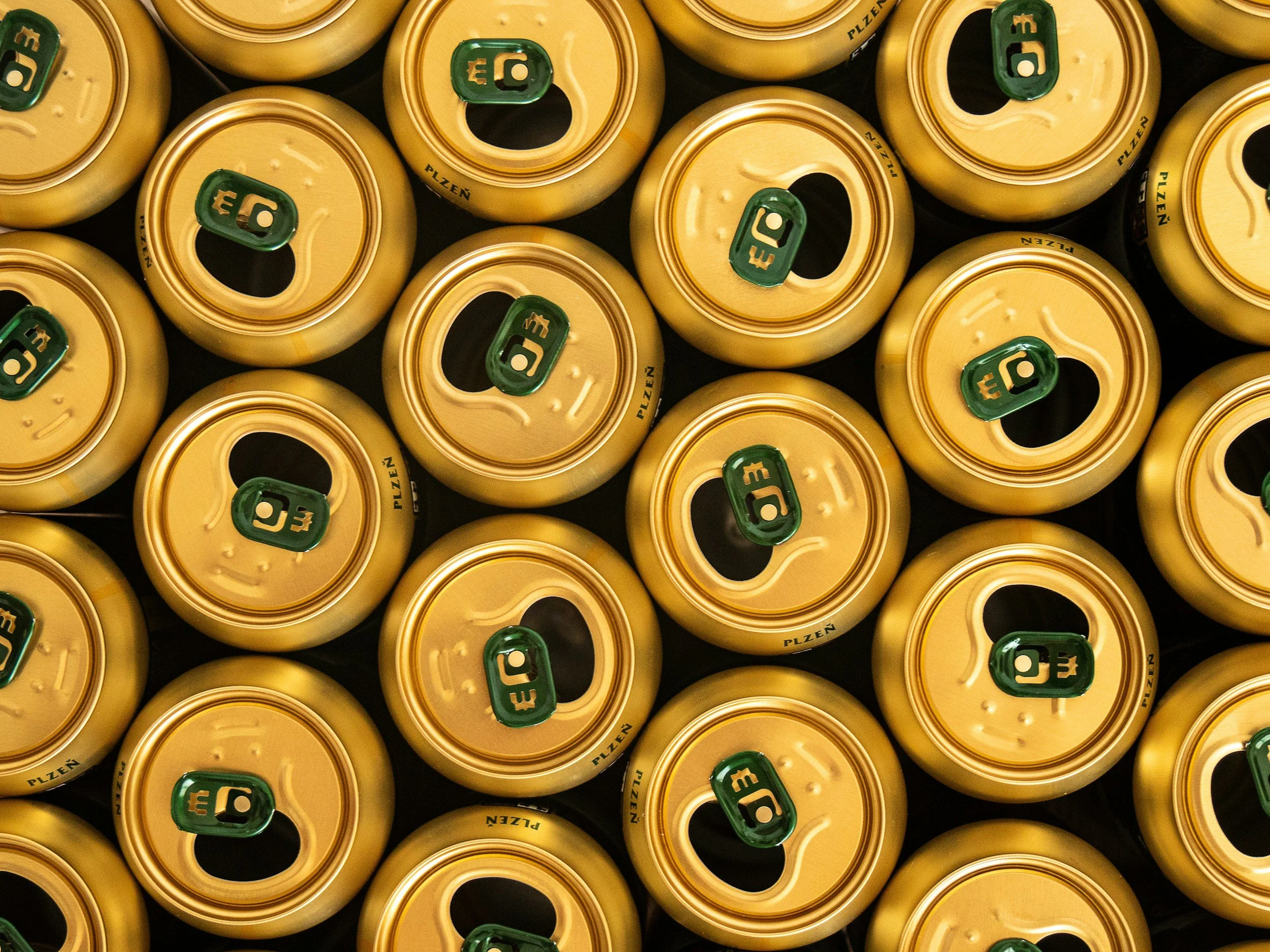
Aluminum cans are the workhorse of high-volume beverage distribution. They are light. They stack uniformly. Their consistent geometry makes them ideal for tight, stable pallet configurations that hold up through long-haul transport.
The Can Manufacturers Institute reports that aluminum is the most recycled beverage container in the US, with approximately 45% of cans recycled annually. Aluminum can be back on shelves in as little as 60 days after collection. For brands with sustainability commitments, that is a meaningful differentiator.
From a logistics standpoint, beverage cans offer three clear operational advantages:
Uniform shape enables predictable, optimized pallet builds
Lower weight per unit reduces freight cost compared to glass
Durability under compression makes them compatible with automated warehouse systems
The main vulnerability is surface denting. A cosmetically damaged can is typically unsaleable, even when the product inside is fine. Proper shrink wrapping, interlayer pads, and tightly configured pallet builds reduce this risk significantly.
Soda, energy drinks, beer, and ready-to-drink cocktails all depend heavily on the aluminum can format. For brands in these categories distributing at volume, the can choice and beverage logistics strategy need to be planned together as one system.
Plastic Bottles: Efficient, Flexible, and Dominant in Bulk Distribution
Plastic bottles remain the leading format for water, juice, and soft drinks, particularly in high-volume retail and foodservice channels. The reason is straightforward: cost and efficiency.
PET (polyethylene terephthalate) bottles are significantly lighter than glass, which directly reduces fuel costs, freight rates, and warehouse handling labor. They resist breakage under normal handling conditions, making them well-suited to high-throughput distribution environments.
The trade-offs are real. Stacking pressure can cause compression deformation, particularly in thinner-walled formats. And the sustainability conversation around single-use plastic has shifted considerably. Major brands like Coca-Cola and PepsiCo have made public commitments to increase recycled plastic content across their packaging portfolios. According to McKinsey research, approximately 60-70% of consumers say they would pay more for sustainably packaged products. Smaller beverage brands are responding to the same pressure.
For logistics teams, plastic bottles require attention to stacking height limits, shrink wrap tension, and storage temperature. Summer distribution cycles in particular require monitoring. Heat affects bottle integrity in storage, which creates quality problems downstream before the product ever reaches a retailer.
Glass Bottles: Premium Positioning With Real Logistics Challenges
Glass is the format of choice for wine, spirits, premium beer, and select juice and coffee products. It is chemically inert, non-porous, and preserves flavor profiles in ways that plastic and aluminum cannot match. It also carries a perception of quality that many premium beverage brands depend on. The unique design possibilities of glass give brands range in bottle shape and visual presentation that other formats cannot replicate.
But glass is heavy. And it breaks.
A standard 750ml glass wine bottle weighs roughly 400-500 grams empty. Add product, and the weight per pallet becomes significant. That has a direct effect on freight costs, warehouse labor intensity, and per-mile fuel consumption. Glass-heavy shipments require specialized handling: corner protectors, interlayer dividers, and careful load planning to prevent breakage.
The breakage risk does not disappear once products leave the warehouse. Road vibration, transit shifts, and improper stacking during last-mile delivery all contribute. A 2-3% breakage rate on a high-volume glass shipment can represent thousands of dollars in product loss per run.
For alcohol products, specifically wine and spirits, the complexity compounds. Regulatory requirements around temperature, carrier licensing, and security add layers that most other beverage categories do not face. Working with a specialist beverage packaging company or logistics partner with direct alcohol distribution experience matters here.
Flexible Packaging: Pouches, Box Formats, and Bulk Solutions
Flexible packaging has gained real ground across the beverage industry over the past decade. Pouches, aseptic cartons, and bag-in-box formats are being used for juice, coffee, water, bulk cocktail mixes, and more.
The appeal is operational. Flexible formats use less material per unit, take up less space in transit and storage, and are easier to handle in bulk environments. Bag-in-box systems are widely adopted in foodservice because they dispense cleanly and reduce waste compared to individual bottles. Multipack solutions can be engineered to use minimal material while maintaining structural integrity, and recyclable paperboard clip-style formats are eliminating the need for plastic rings and shrink film in certain categories.
Aseptic cartons extend shelf life without refrigeration. For brands targeting markets where cold chain infrastructure is limited or inconsistent, that is a genuine logistical advantage. It expands the distribution geography available to the brand without adding cold storage cost.
The primary vulnerabilities in flexible packaging are leakage and puncture. Proper secondary packaging, including master shipper cartons and sealed trays, is essential to protect flexible packs through the handling demands of distribution.
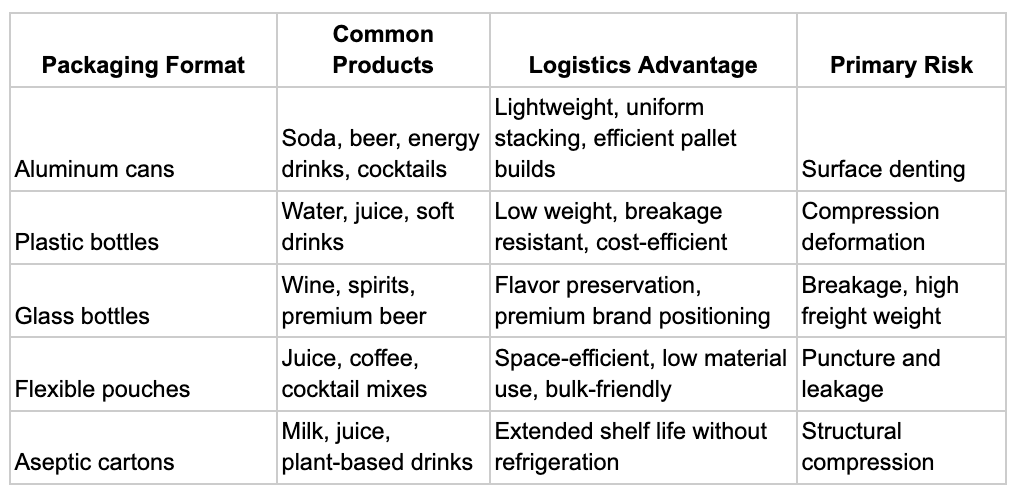
Beverage Packaging Formats: A Practical Comparison
Custom Packaging Solutions for Unique Beverage Needs
Retail shelves are crowded. Retailer requirements vary. Consumer preferences shift across categories and channels. Custom beverage packaging solutions give brands the flexibility to address these variables without compromising on logistics performance.
Format matters, but so does adaptability. Aluminum cans offer lightweight durability and a 360-degree canvas for design. Glass bottles support premium positioning and flavor integrity. Flexible pouches reduce material use and work well for convenience-driven occasions. Each of these formats can be adapted across different sizes and configurations to meet the range of retail and foodservice requirements a growing brand encounters.
Custom inserts, partitions, and retail-ready secondary packaging also play a role here. Properly engineered master shipper cartons protect products from production through to the shelf, reducing damage rates and simplifying the replenishment process for retail partners.
The practical outcome of investing in tailored packaging is consistency. Products arrive in the same condition they left the warehouse. Retailers receive formats that are easy to stock and visually coherent on shelf. Brands build confidence with distribution partners by delivering reliably, run after run.
Pallet Configuration: Where Packaging and Logistics Intersect
The pallet is where packaging decisions become logistics decisions. A poorly configured load can undo the best packaging choices. Products shift in transit. Loads become unstable. Damage concentrates at the base of the stack, where pressure is highest.
For beverage cans and bottles, stacking patterns need to account for:
Weight distribution across the full pallet footprint
Height limits to prevent top-heavy instability during transport
Interlayer separators for fragile formats like glass bottles
Shrink wrap tension calibrated to the specific load type
Corner boards are standard practice for glass bottle loads. Some high-volume shippers use stretch-hooding systems that fully enclose the pallet, providing additional protection against moisture and movement across longer routes.
Getting pallet configuration right reduces in-transit damage, improves trailer utilization, and lowers the cost per case delivered. It is one of the highest-leverage improvements available to beverage logistics operations, and it requires no additional packaging investment.
Beverage Warehouse Best Practices
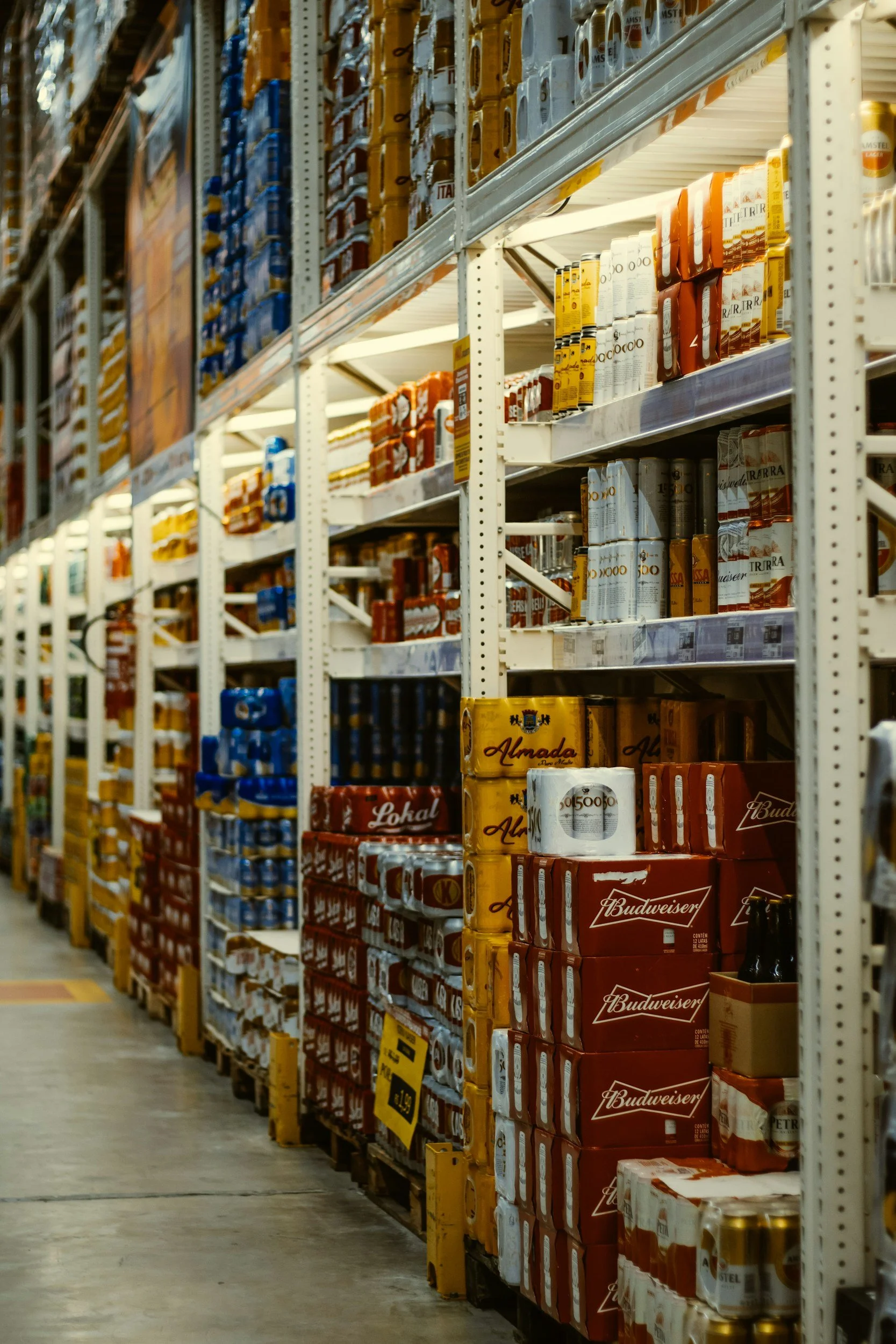
A beverage warehouse is not passive storage. It is a staging environment that directly affects product freshness, pick accuracy, and outbound efficiency.
Temperature management is the most critical variable. Wine, certain juices, and specialty coffees require controlled storage conditions. Heat accelerates degradation. Without proper climate control, product shelf life is reduced before it reaches a retailer. That cost shows up in chargeback claims, expired stock write-offs, and eroded retailer confidence.
Humidity matters too. High humidity compromises paperboard packaging, causes label adhesion failures, and accelerates corrosion on aluminum. How beverages packaging performs under varying warehouse conditions directly affects product integrity and loss rates at delivery.
Beyond environment, efficient beverage warehousing depends on:
Clear slotting strategies that prioritize fast-moving SKUs
FIFO rotation to manage shelf life across bulk inventory
Vertical stacking limits based on packaging type and load-bearing capacity
Real-time inventory visibility to prevent stockouts and overages across the distribution network
For beverage brands distributing through grocery and retail networks, warehouse accuracy and outbound speed have a direct impact on in-stock rates at the shelf.
Preventing Transport Damage: Practical Steps That Work
Damage prevention starts before the truck moves. It is built into packaging specifications, pallet standards, and carrier selection.
Secondary packaging: Master shipper cartons, trays, and multipacks create a buffer between individual units and external handling forces. For glass bottles in particular, the right secondary packaging is the single largest driver of reduced breakage rates across a distribution network.
Shrink wrap and load securing: Proper shrink wrap application keeps pallet loads from shifting in transit. Tension levels matter. Too tight crushes cans. Too loose and the load moves freely.
Carrier selection: Not all carriers handle beverage freight with the same care. Selecting carriers with beverage-specific experience, and setting clear handling expectations at the point of engagement, reduces damage risk across the network.
Shock and tilt indicators: For high-value or fragile shipments, indicators on pallets provide visibility into handling events during transport. They also create accountability in the carrier relationship, which tends to improve handling behavior on its own.
Sustainability in Beverages Packaging
Sustainability is no longer a marketing message. It is a supply chain requirement.
Consumer demand is documented. Studies show 66-73% of global consumers are willing to pay a premium for sustainable packaging. Regulatory pressure is accelerating in parallel. Extended Producer Responsibility (EPR) laws are being implemented across multiple US states, requiring brands to take financial responsibility for end-of-life packaging management.
Aluminum's infinite recyclability makes it one of the most defensible sustainable beverage packaging formats available today. Glass is also highly recyclable, though its weight disadvantage creates a carbon cost in transport that partially offsets its recyclability credentials. The plastic story is more complex, but lightweighting and increased recycled content are improving the profile for brands committed to reducing waste.
For beverage brands, the push toward sustainable packaging solutions must be balanced against logistics performance. Packaging that uses less material still needs to protect the product through its journey. Lower weight helps reduce freight emissions, but only if it does not lead to higher breakage rates and waste downstream.
Global Packaging Trends Shaping Beverage Logistics
Two shifts are defining beverage packaging at the distribution level right now. Aluminum is accelerating. Flexible formats are expanding.
Aluminum demand has grown steadily across energy drinks, soda, beer, and ready-to-drink categories. The drivers are familiar: lighter loads, efficient stacking, and recyclability credentials that hold up under scrutiny. The Can Manufacturers Institute tracks consistent growth in US aluminum can shipments, with ready-to-drink alcohol and functional beverages contributing meaningfully to recent volume increases.
Flexible packaging is gaining ground in distribution channels where space efficiency and waste reduction carry operational weight. Pouches and bag-in-box formats are being adopted in foodservice and club store environments where traditional glass or rigid plastic formats create handling complexity. The logistics case is straightforward: lighter loads, better cube utilization, and fewer breakage events.
Both trends are creating pressure on warehouse design, carrier requirements, and pallet engineering. Distribution operations built around glass-heavy or high-cube loads need to adapt as the mix of packaging formats in their network shifts. Staying current on these changes, and working with logistics partners who understand the operational implications, keeps brands ahead of the disruption rather than reacting to it.
Regulatory Compliance in Beverage Packaging and Transport
Regulatory requirements touch almost every layer of beverage packaging and distribution. They cover labeling, material safety, recycling mandates, and the specific conditions under which alcohol products can be stored and transported.
For most beverage categories, the compliance framework centers on packaging material safety and labeling accuracy. The FDA sets standards for food-contact materials, which apply to everything from the lining of aluminum cans to the adhesives used in carton packaging. Labeling requirements vary by product type and increasingly by state, particularly as more jurisdictions mandate recycling information and material disclosure on packaging.
Alcohol adds a separate layer. Wine, spirits, and beer are subject to federal TTB regulations and state-level distribution laws that govern temperature control, carrier licensing, and delivery protocols. A distributor who handles water and juice efficiently may not have the licensing structure or operational protocols to legally handle a spirits shipment in the same lane.
Extended Producer Responsibility legislation is the fastest-moving area of regulatory change right now. California, Colorado, Oregon, and Maine have passed EPR laws that place financial responsibility for end-of-life packaging management on the brands that bring those materials to market. More states are expected to follow. Beverage brands need to understand their exposure under current and pending EPR frameworks, and factor compliance costs into packaging decisions being made today.
Working with a logistics partner who tracks regulatory changes across distribution states helps brands stay compliant without having to monitor every legislative update independently.
Choosing the Right Beverage Packaging Company and Logistics Partner
The right logistics partner does more than move product. They understand the specific demands of beverage distribution: fragility, weight, temperature sensitivity, the regulatory complexity around alcohol products, and the expectations of retail networks that operate on tight replenishment cycles.
When evaluating a beverage packaging company or logistics provider, the questions that matter most are:
Do they have demonstrated experience across beverage categories, including alcohol, ready-to-drink, and bulk formats?
Can they support temperature-controlled warehousing and carrier management within one operation?
Do they offer real-time inventory visibility and damage tracking?
Can they scale to support seasonal peaks and new product launches without service disruption?
Forsla works with beverage brands across the full supply chain, from warehouse management and pallet optimization to last-mile delivery. The focus is on reducing damage, improving distribution efficiency, and making sure products arrive at retail in the condition they were designed to deliver.
Where Packaging Strategy Meets Supply Chain Performance
Beverage brands that get logistics right treat packaging as a strategic input, not an afterthought. The format, the pallet build, the warehouse conditions, and the carrier relationship are all connected. A gap in any one of them creates risk across the whole chain.
Whether you are distributing water, wine, energy drinks, or specialty coffee, the packaging decisions made upstream determine what happens downstream. Product quality, freight cost, retailer relationships, and customer experience all flow from those choices.
Getting packaging and beverage logistics aligned requires expertise across both disciplines. The brands that build that alignment consistently outperform those that manage the two functions separately.
Looking for a great partner to work with for your fulfillment needs? Look no further than Forsla. Connect with us today to see how we make a difference to your logistics operations.

Frequently Asked Questions (FAQs)
What are the most common packaging drinks formats?
The most widely used formats are aluminum cans, plastic bottles, glass bottles, and flexible options like pouches and bag-in-box systems. Each is suited to different beverage products and distribution models.
How does packaging affect beverage logistics costs?
Packaging format and weight directly influence freight rates, pallet utilization, handling complexity, and damage rates across high-volume distribution networks.
What makes glass bottles challenging in beverage logistics?
Glass is heavy and prone to breakage under transit stress, requiring specialized secondary packaging, interlayer dividers, and carefully designed pallet builds to protect beverage products through distribution.
Why do beverage brands choose aluminum cans for high-volume distribution?
Aluminum cans are lightweight, uniformly shaped for efficient stacking, and highly recyclable, making them well-suited to large-scale distribution across grocery and retail networks.
What should I look for in a beverage packaging company?
Look for proven expertise across beverage categories, temperature-controlled warehousing, strong carrier relationships, and real-time supply chain visibility tools that support reliable distribution at scale.
What is a beverage warehouse and why does it matter?
A beverage warehouse is a purpose-configured storage facility designed to maintain product freshness and support efficient outbound distribution for drinks across retail and foodservice channels.
What packaging works best for wine and spirits?
Glass bottles remain the standard for wine and spirits due to flavor preservation and premium brand positioning, though they require specialist logistics handling to manage breakage risk and weight per pallet.
Are flexible pouches suitable for alcohol beverages?
Yes. Pouches and bag-in-box formats are increasingly used for cocktail mixes, wine, and spirits in select markets, particularly in foodservice channels where dispensing efficiency and waste reduction are priorities.
What is the role of sustainability in beverage packaging decisions?
Sustainable packaging choices, including recyclable aluminum and lightweighted plastic, help beverage brands meet consumer demand, prepare for EPR regulations, and reduce transportation-related carbon emissions.
How does packaging affect the retail shelf experience?
Well-designed beverages packaging improves shelf visibility, supports brand recognition, and makes restocking easier for retailers. Retail-ready formats that minimize replenishment time are a growing priority for grocery and beverage distribution operations.