

Best Freight Brokerage Solutions for Shipping Beverages Across the Country
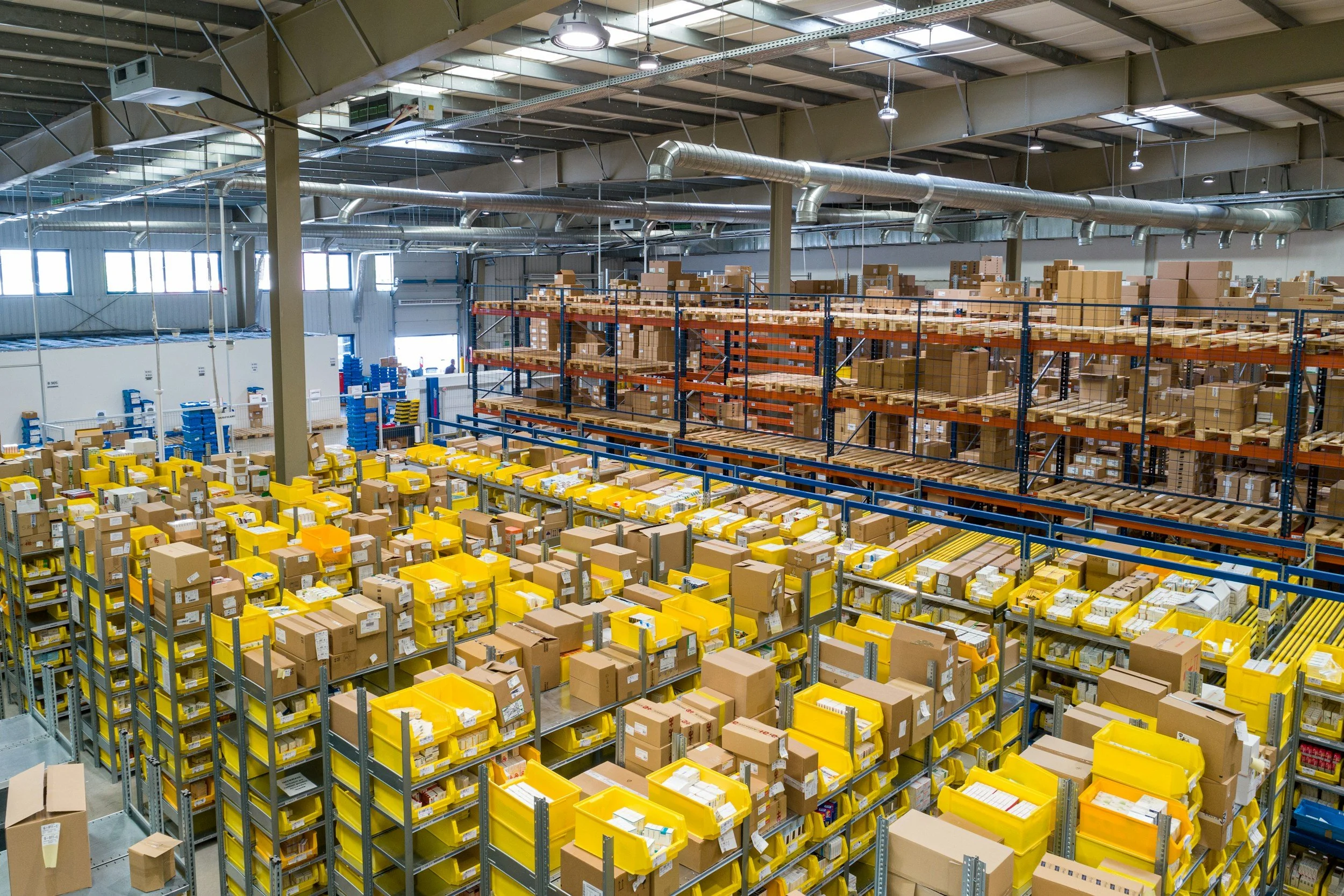
Beverages aren't like dry freight. The weight is heavy, and it also shifts. Shelf life is short, and any perishable item that drifts into thedanger zone between 40°F and 140°F begins to grow bacteria fast. A good broker keeps product cold, tracked, and compliant from pickup to shelf. Getting it right means partnering with the best of the best in the beverage logistics industry, but that begs the question: who are the best freight brokerage solutions for shipping beverages across the country? We have compiled a short list for you:
5 Best Freight Brokerages for Beverage Shipping
Each broker on this list has earned its place for one reason or another, whether it’s straight-up network size, reefer depth, or beverage-specific handling. The ranking reflects flexibility, technology, and how well each one fits a growing beverage brand shipping nationwide.
1. Forsla
Forsla ranks high because it is a full-servicelogistics operation for beverage shippers built for the beverage industry, with the industry knowledge to support brand-specific shipping needs rather than acting like a typical load board. It’s an asset-light 3PL and freight brokerage moving FTL, LTL, partial truckload, drayage and ocean freight across North America, supported by a proprietary technology platform that provides SKU, PO and container-level visibility.
Reefer and flexible trailer options cover juices, dairy drinks and other temperature-sensitive products, and because freight brokerage solutions for this market require temperature control, Forsla also pairs those moves with warehousing, transloading and container storage services to handle cold-chain handoffs that trip up brokers without that infrastructure.
Scale is what the bigger names on this list are known for, and scale comes with a trade-off: when a brokerage handles enormous volume, a growing beverage brand tends to get slotted into a standard playbook. Forsla works the other way around. A dedicated account team learns your products and your lanes, then builds the service around them, whether that means specific reefer setups for a sensitive SKU or transloading and storage timed to your distribution schedule. That kind of individual, tailor-made attention is hard to find at the big networks, and for beverage shippers whose freight rarely fits a template, it can be the difference between being a customer and being a priority.
To keep rates competitive, Forsla relies on carrier relationships, optimized carrier selection, and trained negotiators to support cost savings. Stringent safety standards are applied to carrier partners, which is important when a rejected load means spoiled product. There is support 24/7, with a dedicated account manager and regular business reviews.Request a quote today.
2. C.H. Robinson Corp.
C.H. Robinson has one of the largest carrier networks in the country, extensive enough to manage beverage logistics at scale and provide beverage shippers with dependable capacity even in peak produce season when reefers are in short supply. The scale is the main attraction here. If you are moving high volume across many routes in a broad freight lane mix and need trucks available on short notice, few brokers can match the reach. The trade-off is that a smaller-sized shipper can sometimes feel like a small account, so while the network delivers reliable solutions for customers, the personal touch may vary depending on your freight volume.
3. Schneider
Schneider is one of the biggest temperature-controlled carriers in the business, with food-grade carrier network standards that help ensure clean trailers for beverage transport, and it has a brokerage side in addition to its own fleet. That combo is a plus for beverage shippers because reefer trucks are essential for moving perishable goods like sensitive beverages, and Schneider lets you tap its own equipment directly when brokered capacity gets tight. Sensitive drinks have longer shelf life thanks to precise temperature control during transit. For brands that want one provider to handle both asset-based and brokered freight, Schneider offers dependable truckload capacity across both sides.
4. Allen Lund Co.
Allen Lund has been doing temperature-controlled freight for decades with extensive experience in produce and perishable lanes that support beverage operations in California, Florida, and the Southeast. Those corridors represent a large portion of the beverage volume in the country, and the company uses that lane density to streamline operations, reduce costs, and limit empty miles. The company vets reefer carriers very carefully, which helps meet strict sanitation standards for transportation and FSMA requirements for vehicle cleanliness and temperature documentation, ensuring quality. It’s a mid-tier specialist, so you get focused perishable expertise without the biggest network in the game.
5. Tucker Company International
Tucker is the oldest privately-held freight broker in America, and its refrigerated freight focus brings many benefits for beverage shippers that need specialized handling. The company moves food, temperature-sensitive products, and pharmaceuticals every day, which speaks volumes about how seriously it takes cold-chain integrity under retail delivery pressure and high-volume, time-sensitive work. For beverage shippers concerned about temperature excursions ruining a load, Tucker’s long track record and narrow focus on refrigerated freight make it a good bet. It’s a specialist built for retail-sensitive beverage moves.
How Forsla Helps Ship Beverage Freight Across the Country
Forsla was designed to move product on time and on budget, which is exactly what beverage brands need when a late or warm load means lost revenue. Specialized beverage brokers help beverage companies streamline operations and improve shipping effectiveness. The platform delivers multimodal capacity, FTL, LTL, drayage, and ocean, with SKU-level visibility so distributors and growing brands can track shipments with real time tracking and real time visibility without chasing status updates.
That visibility helps reduce spoilage, because problems are caught in transit. For shippers, that means higher tender acceptance and fewer safety incidents because Forsla holds its carrier partners to a high standard, protecting product and reputation, while supporting better decisions and continuous improvement through data driven insights. Forsla’s buying power with a large carrier network allows them to secure competitive rates and use beverage-specific shipping strategies that reduce costs and improve efficiency in ways rarely available to individual shippers.
Add warehousing,cold chain storage handoffs, and dedicated account management, and beverage companies scaling into new markets get distribution services that grow with them instead of holding them back. Contact us today to get started.
Frequently Asked Questions
Q1. What type of truck is used for beverage logistics?
Reefer trucks are the standard for temperature-sensitive beverages like juices, dairy drinks, and kombucha, since they hold a controlled temperature across the whole trip. Full truckload works best for high-volume beverage shipments, while LTL shipping suits smaller quantities. Some beverage shippers use intermodal, combining truck, rail, and ocean, to reach distant markets while managing cost.
Q2. Does beverage transportation require FSMA compliance?
Yes. The FDA's Food Safety Modernization Act includes the Sanitary Transportation Rule, which governs how food and beverages move. These rules help prevent contamination, spoilage, and foodborne illness, and bacteria can double in 20 minutes in the danger zone. It requires clean trailers between loads, proper refrigeration, and temperature documentation. Shippers hold primary responsibility for setting safe transport protocols, though they can assign duties to carriers by contract. Beverage shipments often have unique compliance requirements, especially for alcohol, on top of FSMA.
Q3. How do freight brokers reduce cost for beverage shippers?
Freight brokers can cut supply chain costs by 10 to 25 percent through carrier buying power, better matching within each freight lane, and fewer empty miles. Instead of paying spot rates, you tap a broker's negotiated pricing across thousands of carriers, including LTL carriers. Brokers also use tracking technology to optimize capacity, which lowers waste and helps beverage distributors secure competitive rates on both FTL and LTL freight.
Q4. What is the best way to track a beverage shipment?
Real-time shipment visibility through a modern transportation management system is the most reliable approach. A good TMS provides end-to-end tracking with status alerts, so you know where the product is and whether the temperature is holding. Item-level visibility can cut supply chain costs by 10 to 25 percent, and for perishable beverages, catching a problem in transit is what prevents spoilage before delivery.
Q5. Can a freight broker handle international beverage shipping?
Yes. Brokers with ocean and intermodal capacity coordinate international beverage shipments by combining truck, rail, and ocean transport. The main challenges are proper documentation, customs clearance, and keeping temperature control intact across a longer journey. A broker experienced in cross-border and international shipping manages these handoffs, reducing the risk of delays or spoilage for beverage products crossing borders.