

Why Beverage Shippers Need One Brokerage Partner From Port to Retail DC
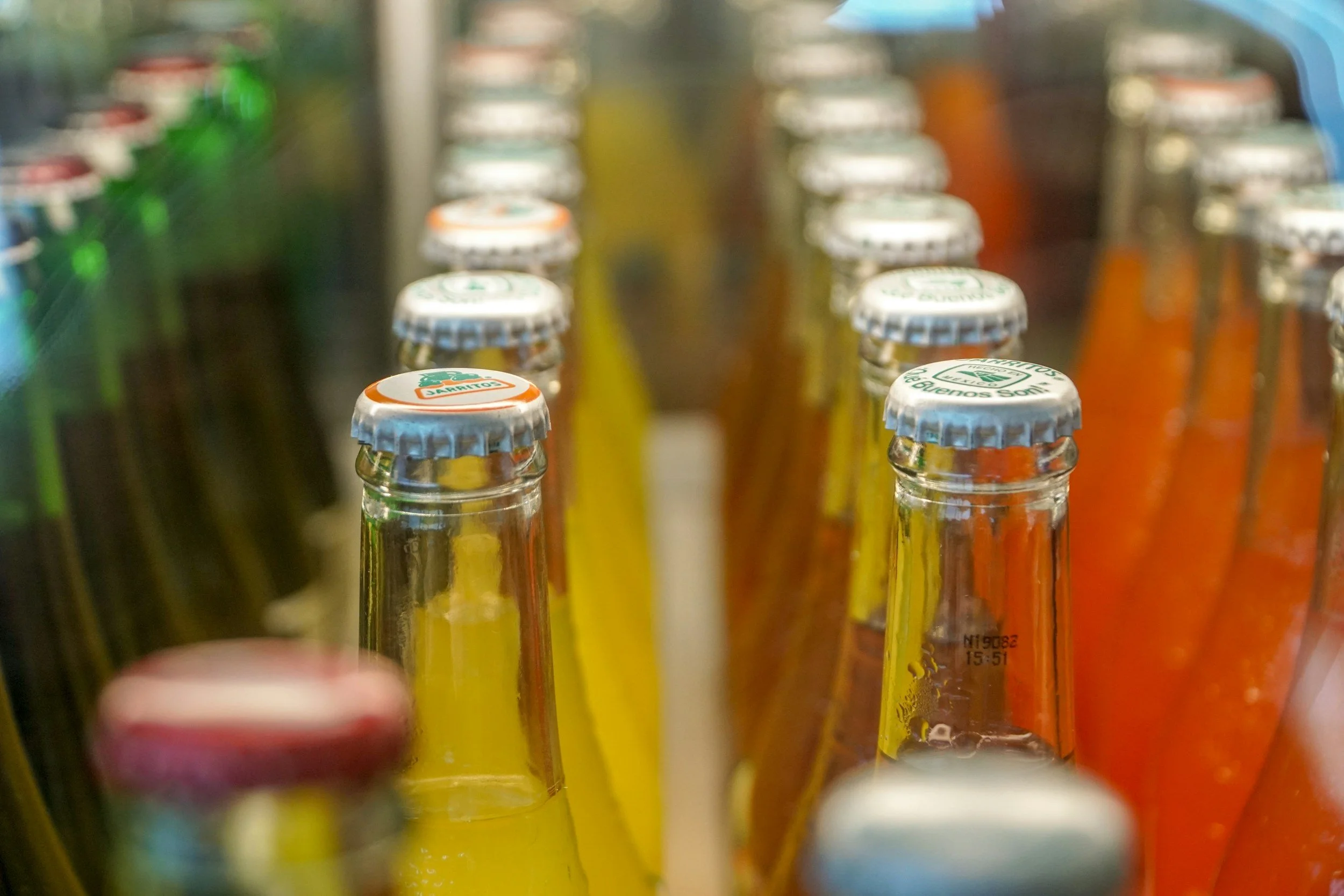
Picture a container of imported wine arriving in Long Beach. As is the case with mostbeverage supply chains, it will touch three different companies before it reaches the retail DC. The freight is moved by a drayage carrier from the port to a transload facility. And then from there into a domestic trailer (FTL), which brings it in from the coast.
Notice the handoffs? Each is an opportunity for temperature to slip or for paperwork to get muddy while no one wants to take the blame. However, putting all three legs under one brokerage partner can eliminate those handoffs, which matters more for beverages than just about anything else in motion.
What “Port to Retail DC” Really Means for Beverage Supply Chain
A typical beverage import has four separate stages before it reaches a shelf. The ocean container arrives at a marine terminal, drayage hauls it to a transload facility or warehouse, transloading transfers the freight into a 53-foot trailer, and then FTL or LTL hauls it to regional retail DCs. Trucking here is several legs, each with its own equipment and documentation. The rules are also different.
Beverages make that chain more difficult than most freight. Liquid is heavy, so pallets quickly reach weight limits, adding to the freight costs. Manydrinks are also temperature sensitive, so the cold chain has to hold across every leg, not just the long haul. Add stringent compliance for food and alcohol, and the spoilage risk that perishable product carries, and you have a supply chain where small errors become rejected loads or ruined inventory.
When a Fragmented Beverage Logistics Breaks
Trouble usually happens at handoff when each leg is owned by a different company. For instance, say one carrier drops a container at a transload yard where it sits until another carrier picks it up. In that time, a temperature-sensitive product can drift into the danger zone between 40 degrees and 140 degrees Fahrenheit, where quality begins to degrade, and safety becomes an issue. No one expected the product to sit for long, but that happens when two vendors are running on different schedules, even though beverage logistics requires specialized handling because the freight is fragile.
The second break point is accountability. When three companies have a load and a shipment comes in damaged or spoiled, you get finger-pointing instead of a solution, even though packaging quality is critical to prevent damage, especially during handoffs. So the drayage carrier blames the transload crew, the transload crew points to poor packaging or missed proper handling, and the beverage shipper is stuck with a loss that no one owns. However, a logistics provider like Forsla, taking on the entire move, reduces these exceptions by reducing the number of interfaces and clarifying who is responsible.
And then there's visibility. Separate providers usually mean separate tracking systems, so a shipper stitches together status updates from three sources to figure out where a load actually is, while also having to evaluate carriers and compliance expertise across the move. That patchwork makes it difficult to catch a problem early, and it makes carrier selection harder when providers are fragmented. For example, it leads to poorly timed handoffs that rack up detention and demurrage charges, and those accessorials add up fast on heavybeverage freight that already carries a premium.
Why Beverage Companies Are Getting It Fixed — By One Partner
Bringing drayage, transload and FTL together under one brokerage does more than streamline your vendor list. It plugs a few holes that cost beverage shippers product, money and sleep. Here are some key ones:
One Cold Chain, No Gaps
One partner manages temperature throughout all legs of the journey, making the right temperature a top priority for temperature-sensitive loads and other perishable beverage products. Reefer equipment runs from port drayage to transload, and into final FTL delivery so product never sits exposed between hand-offs, and those units must meet strict food-grade cleanliness standards for beverage and food shipments. For juices, dairy drinks, and other temperature-sensitive beverages, an unbroken cold chain is the difference between sellable product and spoiled product on arrival. If one company controls the whole move, the temperature of the load is no longer a matter of coordination, but a single operational standard that protects shelf life, and refrigerated shipping can add a 20% to 40% surcharge, making control essential.
One Point of Accountability
When one brokerage handles the entire route, there is no scapegoat, so to speak. The same partner who booked the drayage is responsible for product integrity and for proffering solutions if there is a case of a late or damaged shipment. That single point of ownership tends to reduce exceptions across the board, because proper handling and clear standards help reduce risk, and problems get caught and dealt with by a team that sees the whole picture rather than falling through the cracks between vendors. That means fewer surprises for a beverage shipper and a more defined line of responsibility when something does go wrong.
One View of the Whole Beverage Transportation Process
One transportation management system provides a single real-time visibility view of the shipment from port to DC, instead of three separate views pulling drayage, transload, and FTL. That visibility gives beverage shippers the ability to keep shelves stocked at retail because they can see a delay starting and respond before it becomes an empty shelf, while real time tracking capabilities help teams act faster in transit and protect service to consumers.Real-time tracking across the entire journey also makes it easier to manage compliance, regulatory requirements, and customs clearance and documentation in one place rather than chasing paperwork across separate providers.
How Forsla Manages The Shipping of Beverage Products From Port to Retail DC
Forsla has beverage shipping services under one roof for your business, which is exactly what a port-to-retail-DC beverage move needs. Drayage includes the major ports on the West Coast such as Los Angeles and Long Beach, Oakland, and Tacoma and Seattle, where it pulls containers and plans empty returns to avoid per diem charges. At those ports, transloading and cross-docking move ocean freight onto domestic trailers, consolidate loads, and prepare freight for the inland haul.
From there, Forsla’s FTL service moves product by reefer, dry van, and other trailer options, keeping temperature-sensitive beverages cold all the way to the retail DC. Specialized beverage shipping providers offer both truckload and less than truckload options, with Full Truckload preferred for high-volume shipments and Less-Than-Truckload used for smaller quantities. The proprietary TMS tying it all together provides SKU and container-level visibility across every leg, so you are watching one screen rather than three.
Now, with Forsla, there are other perks such as competitive rates due to the logistics providers' buying power and volume-based pricing. Its expertise can also support coordination with suppliers, warehousing, and storage when the move calls for broader beverage logistics support. Detention and demurrage are kept under control because one team owns the entire move. Scalable operations help manage demand swings that can surge up to 80%, supporting long term growth and letting beverage companies focus on core work while controlling transportation costs and transit time. That single-partner model transforms a fragmented chain into one accountable operation for beverage brands moving high volumes and looking to grow long-term. Contact us today torequest a quote.
Frequently Asked Questions
Q1. What is drayage in the beverage industry?
Drayage is the short-haul trucking that moves a container from a port terminal or rail ramp to a nearby warehouse, transload facility, or distribution center. It is the first inland leg of an imported beverage shipment, bridging ocean freight and domestic distribution. For beverages, timely drayage matters because it limits how long temperature-controlled product sits before moving into a controlled environment.
Q2. Why is transloading important for imported beverages?
Transloading shifts freight from an ocean container into a domestic 53-foot trailer, which lets beverage shippers move product more efficiently across the country. It also allows consolidation of smaller shipments and conversion between shipping modes. For imported beverages, transloading near the port reduces container dwell time and detention charges, while giving the shipper a chance to move product into refrigerated equipment for the inland haul.
Q3. How does using one logistics partner reduce beverage shipping costs?
A single partner cuts costs by reducing accessorial charges like detention and demurrage that pile up when handoffs are poorly timed. Coordinating drayage, transload, and FTL together also reduces exceptions and damage claims. On top of that, consolidating volume with one brokerage often unlocks better rates, since pricing can be negotiated based on total monthly shipment volume rather than one-off moves.
Q4. What regulatory compliance applies to shipping imported alcoholic beverages?
Imported alcohol must clear customs and comply with both federal and state regulations, including the three-tier distribution system that governs how alcohol moves between producers, distributors, and retailers. Valid licensing is required, and alcohol shipped via parcel carriers also requires adult signature verification, while beverage shipments must also meet FDA and FSMA rules covering vehicle cleanliness and temperature documentation. Compliance gaps can lead to rejected loads or customs delays, so licensing, paperwork, and compliance expertise need to be verified upfront.
Q5. How is temperature on refrigerated trucks maintained from port to retail DC?
When one partner controls the cold chain or temperature-controlled transport across every leg. Refrigerated equipment runs from port drayage through transloading and into the final FTL delivery, so the product never sits exposed on a dock between handoffs. Keeping beverages out of the 40°F to 140°F danger zone the entire way protects both product quality and safety, which is far easier when a single provider owns each stage.